
Short answer
Electric foods are the whole, plant-based foods on Dr. Sebi's nutritional guide: certain vegetables, seeded fruits, ancient grains, nuts, seeds, oils, herbs and teas, with all animal foods, processed foods and so-called hybrid foods left out. Eating mostly these foods lines up with solid research on plant-heavy diets, but the idea that they make your blood alkaline is not supported. If you eat this way, take vitamin B12 and plan for protein, iron, iodine and calcium.
Key takeaways
- 'Electric' is a community term from Dr. Sebi's teaching, not a nutrition science term. It means whole, approved, plant foods believed to carry 'life energy' and an alkaline effect.
- The list itself is mostly excellent food: greens, berries, squash, quinoa, wild rice, walnuts, hemp seeds, olive oil. A healthful plant-based pattern is linked with 25% lower heart disease risk in big US cohorts. [1]
- The alkaline claim does not hold up. Food changes urine pH, not blood pH, which your kidneys and lungs hold steady. [2] [3]
- The list's gaps are predictable: no reliable B12, less protein (most beans are excluded), lower iron stores, and little iodine or calcium. [4] [5] [6]
- Herbal teas cut iron absorption from a meal when drunk with it: by 47% for chamomile and 52% for tila in one study. Drink them between meals. [7]
- Our rule: use the list as a shopping inspiration, not a cage. Add lentils, black beans or tofu and a B12 supplement and you keep the benefits without the gaps.
Here's a confession from a shop literally named The Electric Eats: we love this food list. Mangoes, wild rice, walnuts, a mountain of greens, herbal tea by the pot. It's a good way to eat (fiber, meet colon).
We also get the same three questions every week. What does 'electric' actually mean? Is the alkaline part real? And how do I not end up tired and anemic six months in? This page answers all three, with a practical table you can screenshot for the grocery store.
We'll be warm about the food and honest about the claims. Both matter if you want this to last longer than a 21-day challenge.
What does electric food mean?
In Dr. Sebi's teaching, 'electric' foods are natural, whole plant foods that he believed carried a living energy and kept the body alkaline. 'Acidic' or 'dead' foods were the rest: meat, dairy, processed food, and anything he considered a man-made hybrid.
Physics fans, put your multimeter away. There's no measurable electrical property that separates a kale leaf from a cabbage leaf. 'Electric' is a metaphor for fresh, unprocessed and alive, which is honestly not a bad metaphor for how to shop.
And what does alkaline mean here?
Alkaline foods are those that leave a lower acid load after digestion, mostly fruits and vegetables, which are rich in potassium and organic acids that the body converts to bicarbonate. That part is real chemistry. The leap is the claim that this changes your blood. It doesn't, in any meaningful way: your kidneys and lungs keep blood pH between about 7.35 and 7.45. [2]
What does change is urine. More fruit and vegetables went with more alkaline urine in over 22,000 UK adults, [3] and a week of strict vegan eating nudged 24-hour urine pH up by about half a unit in a small trial. [8] That's your kidneys taking out the trash, not proof of an alkaline body. Our alkaline diet guide goes deeper.
The electric foods list, with our honest notes
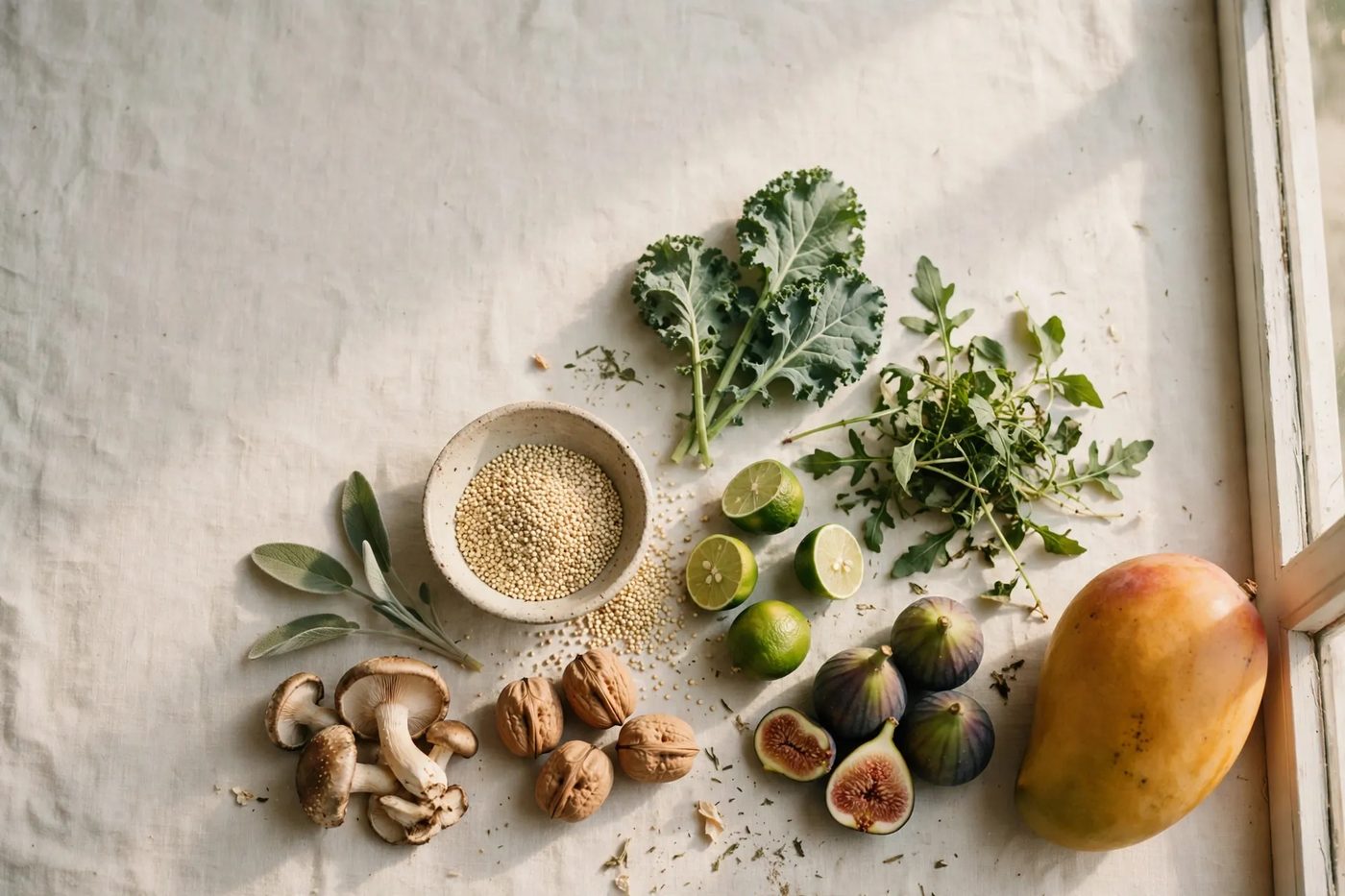
This table follows the widely shared versions of the list. Editions disagree on a few items, so don't panic if your cousin's PDF says something slightly different. The right-hand column is ours: what each group does well and what it misses.
| Category | Common items on the list | Our honest note |
|---|---|---|
| Vegetables | Amaranth greens, avocado, bell peppers, chayote, cucumber, dandelion greens, kale, lettuce (not iceberg), mushrooms (not shiitake), nopales, okra, olives, onions, purslane, sea vegetables, squash, cherry and plum tomatoes, tomatillo, turnip greens, watercress, wild arugula, zucchini | Superb. Fiber, potassium, folate, vitamin C. Dark greens add calcium and some iron. |
| Fruits | Apples, small burro bananas, most berries, cantaloupe, cherries, currants, dates, figs, seeded grapes, key limes, mango, seeded melons, Seville oranges, papaya, peaches, pears, plums, prickly pear, prunes, seeded raisins, soft jelly coconut, soursop, tamarind | Excellent. The seeded rule is not based on any evidence; seedless grapes are not harmful. |
| Grains | Amaranth, fonio, kamut, quinoa, rye, spelt, teff, wild rice | Great whole grains. Quinoa and amaranth add useful protein. Note that spelt is itself an ancient hybrid wheat. |
| Legumes | Garbanzo beans (chickpeas) | The biggest weakness of the list. Lentils, black beans and soy are excluded with no evidence of harm. |
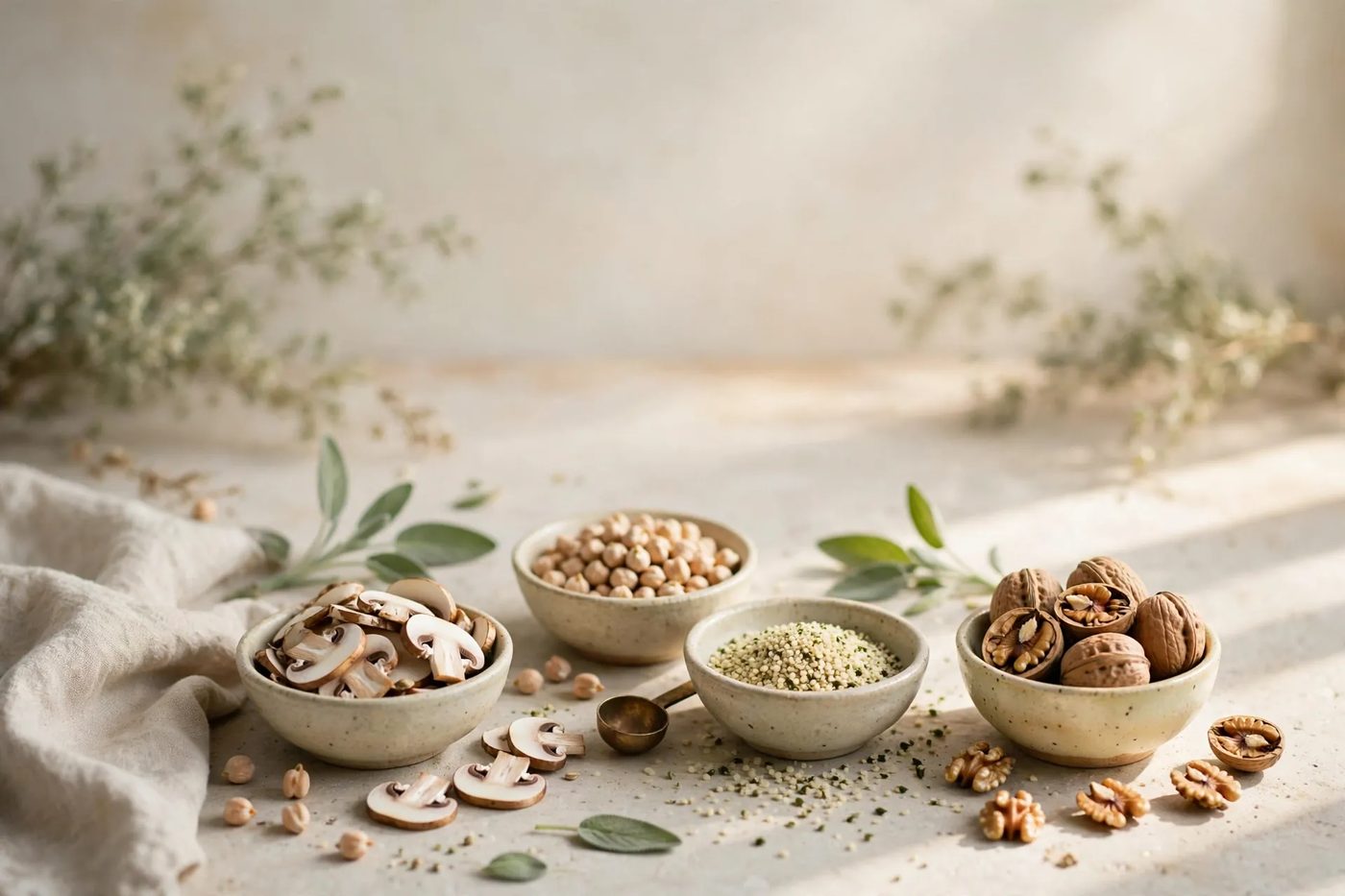
| Nuts and seeds | Hemp seeds, raw sesame seeds and tahini, walnuts, Brazil nuts | Protein, healthy fats, minerals. Two or three Brazil nuts a day covers selenium; more is too much. |
| Oils | Olive, coconut, grapeseed, sesame, hempseed, avocado oil | Olive and avocado are the standouts. Coconut oil is high in saturated fat; use it lightly. |
| Herbal teas | Burdock, chamomile, elderberry, fennel, ginger, raspberry leaf, tila (linden) | Pleasant and traditional. Drink between meals because they block iron absorption. [7] |
| Spices and seasonings | Achiote, basil, bay leaf, cayenne, cloves, dill, habanero, onion powder, oregano, sage, savory, tarragon, thyme, sea salt, powdered seaweed | Flavor without junk. Sea salt is still salt. |
| Sweeteners | Date sugar, pure agave syrup | Still sugar. Use like any sweetener: sparingly. |
Commonly excluded: all meat, fish, eggs and dairy; regular wheat, white rice and corn; most beans, soy and peanuts; seedless fruit; garlic and some other common vegetables; alcohol; caffeine; and anything canned, packaged or with added sugar.
Which claims hold up, and which do not
| Claim | Verdict | Why |
|---|---|---|
| Eating mostly whole plants is good for you | Holds up | Meta-analyses link more fruit and vegetables with lower mortality and heart disease. [9] [10] |
| Cutting processed food helps weight and appetite | Holds up | People ate about 508 more calories a day on an ultra-processed diet in an NIH trial. [11] |
| Not all plant foods are equal | Holds up | Plant diets heavy in refined grains, juice and sweets went with higher heart disease risk. [1] |
| Electric foods make your blood alkaline | Does not hold up | Blood pH is tightly regulated; food moves urine pH. [2] |
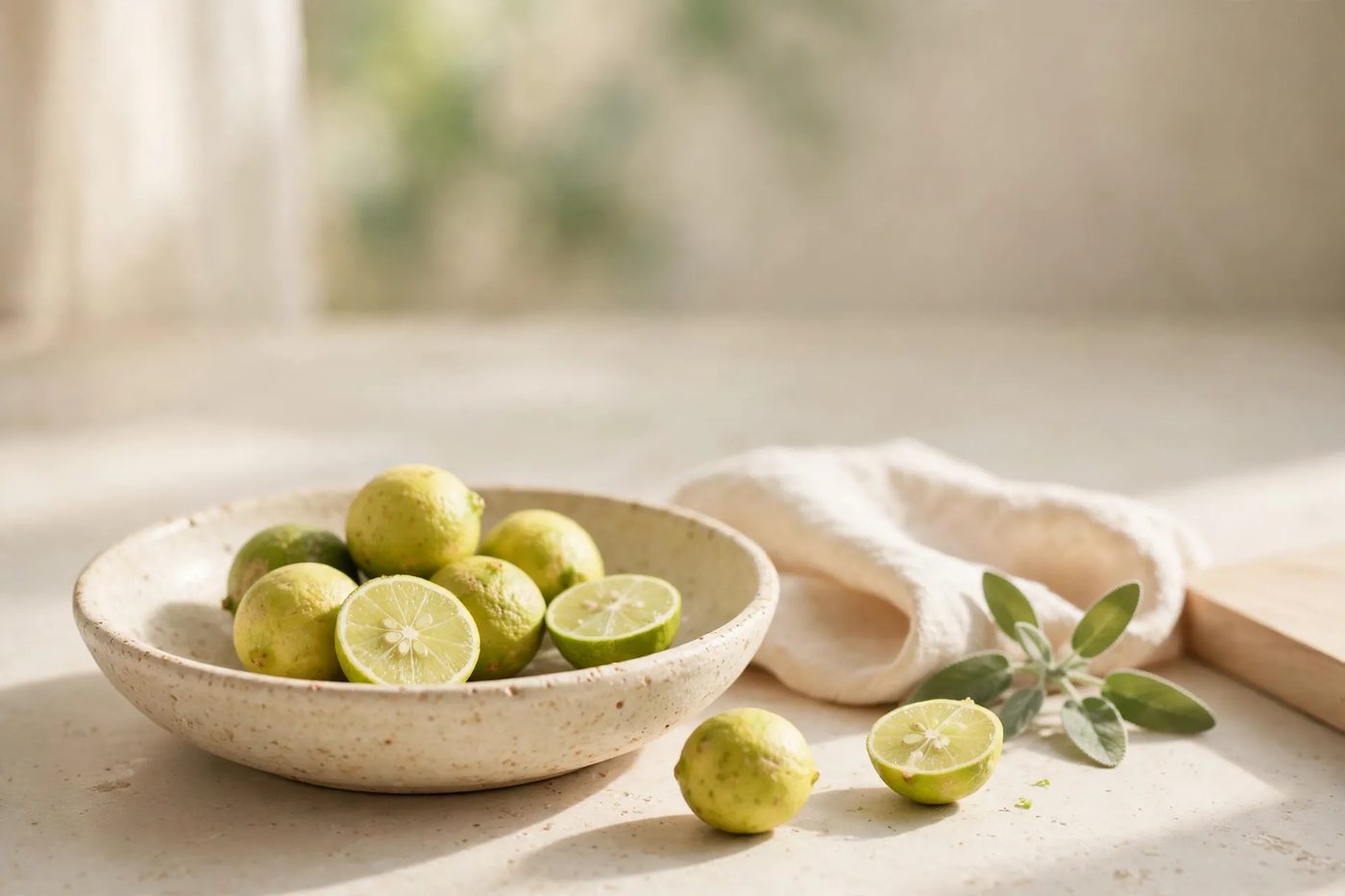
| Hybrid and seedless foods are harmful | No evidence | Many listed foods are bred cultivars or hybrids themselves, including spelt and key limes. |
| Electric foods cure disease | No evidence | No trial has tested the list; no food cures disease. |
The list is a great grocery list wrapped around a theory that does not work. Keep the groceries.
The nutrient plan: how not to miss B12, protein and iron
This is the section most electric food content skips, and it's the one that decides whether you thrive or quietly fade six months in. (Nobody posts the 'my ferritin crashed' video.)
Vitamin B12: supplement, full stop
No food on the list is a reliable B12 source. A review of 18 studies using sensitive markers found B12 depletion or deficiency in a large share of vegetarians (11% to 90% of older adults, for example), worse in vegans, and recommended regular supplements. [4] Low B12 can take years to show up and can cause nerve damage that does not fully recover. Sea moss, spirulina and mushrooms do not fix this.
What to do: take a B12 supplement daily or a few times a week, and get blood levels checked about once a year. If you're strict about 'approved' products, know that B12 is made by bacterial fermentation. It's about as natural as a supplement gets.
Protein: the list is thin here
A systematic review of 48 studies found vegans ate less protein than any other diet group. [6] Remove lentils, black beans and soy, as the strict list does, and it gets harder. Most adults need roughly 0.8 g of protein per kilo of body weight a day, and more if you train hard or are older.
| Electric-list protein source | Approx. protein | Serving |
|---|---|---|
| Hemp seeds | 9 to 10 g | 3 tablespoons (30 g) |
| Cooked chickpeas | 14 to 15 g | 1 cup |
| Cooked quinoa | 8 g | 1 cup |
| Cooked amaranth | 9 g | 1 cup |
| Walnuts | 4 to 5 g | 1 ounce (about 14 halves) |
| Tahini | 5 g | 2 tablespoons |
| Cooked spelt or kamut | 10 to 11 g | 1 cup |
Values are typical figures from standard food composition tables and vary by brand. A 70 kg adult needs about 56 g a day. You can get there on the list, but you have to aim for it. Our honest opinion: add lentils and black beans. No study shows they're harmful, and they make the math easy.
Iron: the quiet one
A meta-analysis of 24 studies found adult vegetarians had serum ferritin about 30 µg/L lower than meat eaters, with the gap biggest in men. [5] Plant iron (non-heme) is absorbed less well than iron from meat, and here's the twist for tea lovers: polyphenol-rich drinks with a meal cut iron absorption a lot. In one study, chamomile cut it by 47%, tila (linden) by 52% and peppermint by 84%. [7]
- Pair iron foods with vitamin C: greens or chickpeas with lime juice, bell peppers, tomato or mango.
- Drink herbal tea at least an hour away from main meals. This one habit matters more than most supplements.
- Cook with variety: amaranth, quinoa, teff, chickpeas, dandelion and turnip greens all add iron.
- Check ferritin with your yearly blood work, especially if you menstruate. Don't supplement iron blind; too much is harmful too.
Iodine, calcium, omega-3 and zinc
Vegan diets run low in iodine, calcium and zinc in the research. [6] Seaweed and sea moss look like the obvious iodine fix, but you rarely know how much iodine you're getting: a thyroid review warned that even small amounts of brown seaweed (kelp) can disturb thyroid function, with labels often unhelpful. [12] Sea moss is a red seaweed with even less data. A modest, consistent source beats a sea moss binge. For calcium, lean on greens, sesame and tahini; for omega-3, walnuts and hemp seeds, and consider an algae oil if you eat no fish.
| Nutrient | Risk on a strict electric list | Simple fix |
|---|---|---|
| Vitamin B12 | High | Daily or several-times-weekly supplement [4] |
| Protein | Moderate to high | Hemp, chickpeas, quinoa every day; add lentils and beans |
| Iron | Moderate | Vitamin C with meals, tea between meals [7] |
| Iodine | Moderate, and too much from seaweed is possible | Steady modest source; avoid large kelp doses [12] |
| Calcium | Moderate | Greens, tahini, sesame |
| Omega-3 | Moderate | Walnuts, hemp seeds, algae oil |
| Vitamin D | Depends on sunlight | Get levels checked, supplement if low |
A week-one shopping list
Want to try it this week without a 40-item spreadsheet? Grab these and you're set:
- Greens: a big bag of kale, a head of romaine, a bunch of dandelion or turnip greens.
- Veg: bell peppers, cucumbers, zucchini, onions, cherry tomatoes, avocados, a butternut squash.
- Fruit: apples, berries (frozen is fine), mangoes, key limes, dates.
- Grains: quinoa, wild rice, spelt pasta or kamut.
- Protein: chickpeas (dried or canned with no additives, if you're relaxed about the can rule), hemp seeds, walnuts, tahini.
- Pantry: olive oil, sea salt, cayenne, oregano, thyme, basil.
- Tea: one or two herbal teas you actually enjoy.
- Supplement: vitamin B12.
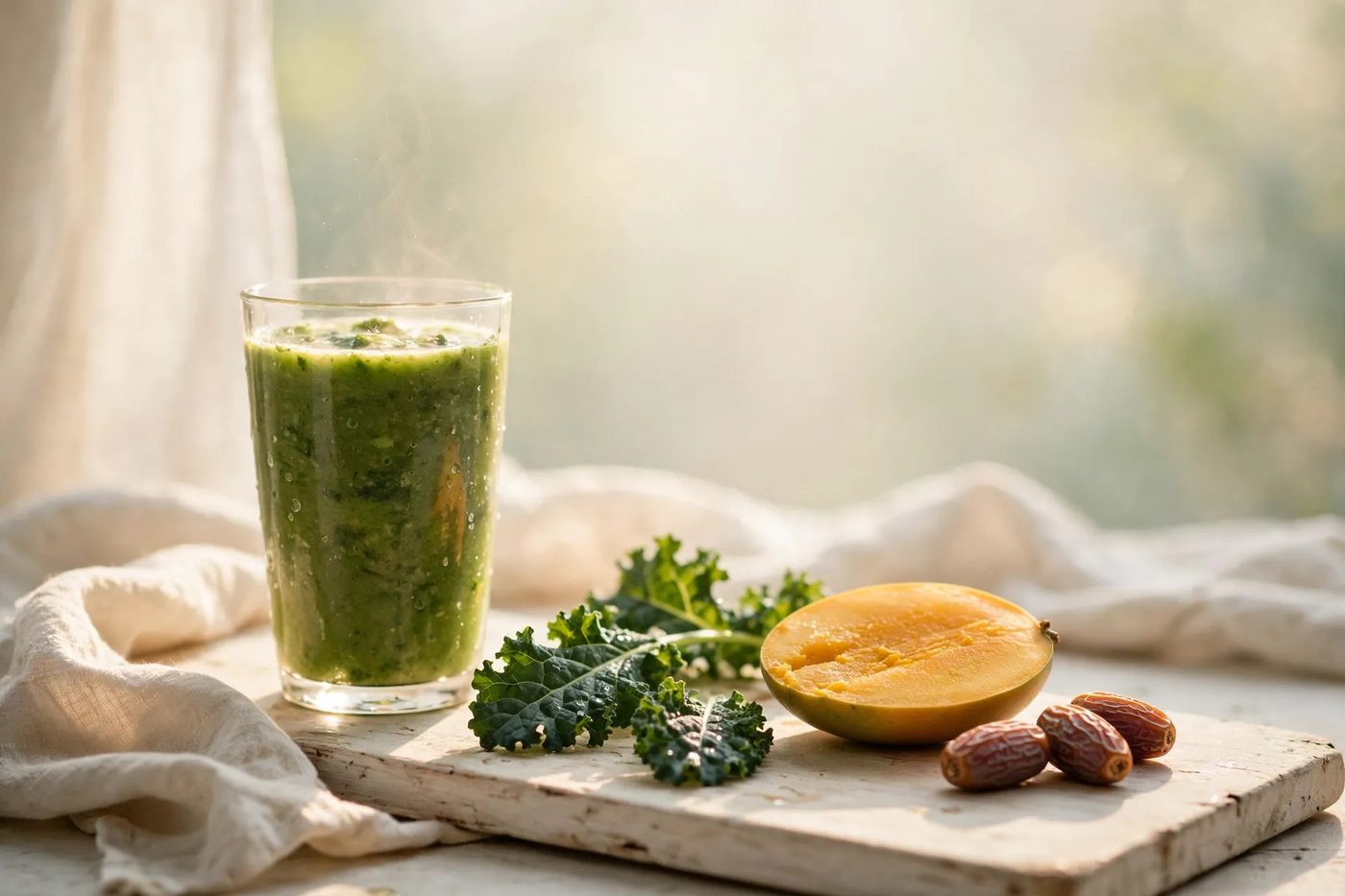
Three easy meals from that bag: quinoa bowl with chickpeas, kale, avocado and tahini-lime dressing; spelt pasta with roasted squash, peppers and olive oil; a smoothie of berries, mango, hemp seeds and greens.
Herbal teas on an electric diet
Tea is a big part of this community, and it can be a lovely daily ritual. Just remember two things: tea is traditionally used to support things like digestion and relaxation, not to 'cleanse your cells', and its timing matters for iron. [7]
Soursop is on the fruit list, and soursop leaf tea is popular too. Our soursop leaf is wild-harvested whole leaf from Ecuador. Like every herb, it has cautions: in an observational study of 180 Caribbean patients with degenerative parkinsonism, eating soursop-family fruit or drinking its tea went with worse disease severity and memory problems. [13] Skip it if you have parkinsonism or any movement disorder, skip it in pregnancy and nursing, and keep intake moderate. Our Bowel Balance blend, with fennel and guava leaf, is a gentle daily digestive tea. If you're new to brewing, start with our beginner's guide to herbal tea, and read how to buy herbs safely before you order 'cell food' anywhere.


Who should be careful with this way of eating
- Kidney disease: high-potassium fruits, vegetables and herbal products can push potassium too high when kidneys can't clear it. Plan with your nephrology team. [14]
- Pregnancy and breastfeeding: B12, iron, iodine and protein needs rise sharply.
- Children and teens: growing bodies need a planned diet, not a restricted list.
- Diabetes medication: a sudden switch to a high-fiber, low-processed diet can lower blood sugar; doses may need adjusting.
- Thyroid conditions: be cautious with sea moss and seaweed. [12]
- History of disordered eating: strict good and bad food rules can trigger it.

Frequently asked questions
What are electric foods?
Electric foods are the whole plant foods on Dr. Sebi's nutritional guide: certain vegetables, seeded fruits, ancient grains, nuts, seeds, oils, spices and herbal teas. Animal foods, processed foods and foods he considered hybrids are excluded.
Are electric foods the same as alkaline foods?
Mostly overlapping. Alkaline foods are those that leave a lower acid load, mainly fruits and vegetables. Electric is the Dr. Sebi community's term for its approved list. Neither makes your blood alkaline; that is regulated by your kidneys and lungs.
How do you get protein on the electric foods list?
Hemp seeds, chickpeas, quinoa, amaranth, spelt, walnuts and tahini. Aim for a protein source at every meal. Many people find it far easier to also add lentils, black beans or tofu, which have no evidence of harm.
Do electric foods have vitamin B12?
No reliable source. Anyone eating fully plant-based should take a B12 supplement and check levels with a clinician. Sea moss, spirulina and mushrooms are not dependable B12 sources.
Can I drink herbal tea with meals on an electric diet?
You can, but it lowers iron absorption. In one study, chamomile cut iron absorption from a meal by 47% and tila by 52%. Drink tea at least an hour before or after iron-rich meals.
Is sea moss a good iodine source?
It is an unreliable one. Labels rarely state iodine content, and a thyroid review warned that even small amounts of brown seaweed can disturb thyroid function. Keep amounts small and consistent, and be cautious with any thyroid condition.
Is the electric food diet healthy?
Its food choices are mostly healthy, and plant-heavy eating is linked with lower heart disease risk. A strict version needs B12 and careful planning for protein, iron, iodine and calcium.
References
- Satija A, Bhupathiraju SN, Spiegelman D, Chiuve SE, Manson JE, Willett W, et al. (2017). Healthful and Unhealthful Plant-Based Diets and the Risk of Coronary Heart Disease in U.S. Adults. J Am Coll Cardiol. PubMed 28728684 · DOI
- Hamm LL, Nakhoul N, Hering-Smith KS (2015). Acid-Base Homeostasis. Clin J Am Soc Nephrol. PubMed 26597304 · DOI
- Welch AA, Mulligan A, Bingham SA, Khaw KT, et al. (2008). Urine pH is an indicator of dietary acid-base load, fruit and vegetables and meat intakes: results from the European Prospective Investigation into Cancer and Nutrition (EPIC)-Norfolk population study. Br J Nutr. PubMed 18042305 · DOI
- Pawlak R, Parrott SJ, Raj S, Cullum-Dugan D, Lucus D, et al. (2013). How prevalent is vitamin B(12) deficiency among vegetarians?. Nutr Rev. PubMed 23356638 · DOI
- Haider LM, Schwingshackl L, Hoffmann G, Ekmekcioglu C, et al. (2018). The effect of vegetarian diets on iron status in adults: A systematic review and meta-analysis. Crit Rev Food Sci Nutr. PubMed 27880062 · DOI
- Bakaloudi DR, Halloran A, Rippin HL, Oikonomidou AC, Dardavesis TI, Williams J, et al. (2021). Intake and adequacy of the vegan diet. A systematic review of the evidence. Clin Nutr. PubMed 33341313 · DOI
- Hurrell RF, Reddy M, Cook JD (1999). Inhibition of non-haem iron absorption in man by polyphenolic-containing beverages. Br J Nutr. PubMed 10999016
- Cosgrove K, Johnston CS (2017). Examining the Impact of Adherence to a Vegan Diet on Acid-Base Balance in Healthy Adults. Plant Foods Hum Nutr. PubMed 28677099 · DOI
- Aune D, Giovannucci E, Boffetta P, Fadnes LT, Keum N, Norat T, et al. (2017). Fruit and vegetable intake and the risk of cardiovascular disease, total cancer and all-cause mortality-a systematic review and dose-response meta-analysis of prospective studies. Int J Epidemiol. PubMed 28338764 · DOI
- Wang DD, Li Y, Bhupathiraju SN, Rosner BA, Sun Q, Giovannucci EL, et al. (2021). Fruit and Vegetable Intake and Mortality: Results From 2 Prospective Cohort Studies of US Men and Women and a Meta-Analysis of 26 Cohort Studies. Circulation. PubMed 33641343 · DOI
- Hall KD, Ayuketah A, Brychta R, Cai H, Cassimatis T, Chen KY, et al. (2019). Ultra-Processed Diets Cause Excess Calorie Intake and Weight Gain: An Inpatient Randomized Controlled Trial of Ad Libitum Food Intake. Cell Metab. PubMed 31105044 · DOI
- Smyth PPA (2021). Iodine, Seaweed, and the Thyroid. Eur Thyroid J. PubMed 33981614 · DOI
- Cleret de Langavant L, Roze E, Petit A, Tressières B, Gharbi-Meliani A, Chaumont H, et al. (2022). Annonaceae Consumption Worsens Disease Severity and Cognitive Deficits in Degenerative Parkinsonism. Mov Disord. PubMed 36210778 · DOI
- Batra V, Villgran V (2016). Hyperkalemia from Dietary Supplements. Cureus. PubMed 27924248 · DOI
Regulatory and institutional sources
- NIH Office of Dietary Supplements. Vitamin B12: Fact Sheet for Health Professionals. ods.od.nih.gov/factsheets/VitaminB12-HealthProfessional/
- NIH Office of Dietary Supplements. Iron: Fact Sheet for Health Professionals. ods.od.nih.gov/factsheets/Iron-HealthProfessional/
- NIH Office of Dietary Supplements. Iodine: Fact Sheet for Health Professionals. ods.od.nih.gov/factsheets/Iodine-HealthProfessional/
- U.S. Department of Agriculture. FoodData Central. fdc.nal.usda.gov/