Buyer's guides · Senna
Where to Buy Senna Leaf: A Buyer's Guide to Loose Senna Tea
How to buy real senna (Senna alexandrina) leaf in the USA: why labeling matters for a stimulant laxative, how to read a label, and where to buy loose leaf.

Short answer
There is no single best place for everyone, but a good place to buy senna leaf has five things: it names the species (Senna alexandrina), it names the part of the plant, it states the origin and how it was harvested, it gives preparation and safety directions, and it makes no promises to cure or treat anything. Kawsaypac is a small, founder-led company that sells senna leaf (4 oz, $15.50) with its origin stated on the product page, in a resealable pouch, and ships across the USA.
- Botanical name
- Senna alexandrina
- Part used
- Dried leaf
- Form
- Whole or cut dried leaf for a short-term tea
- Kawsaypac size
- 4 oz, $15.50
Senna is a stimulant laxative, and that changes what a good label looks like. The buying advice for a calming herb does not apply here.
This guide explains what to look for on a senna label, the safety basics, and where to buy loose senna leaf in the United States.
Chapter 1What the research says before you buy
The evidence in brief
Senna (Senna alexandrina) is a leaf used for generations as a laxative tea. Its sennosides are turned by gut bacteria into rhein anthrone, which stimulates the colon. In a 28-day randomized trial of 90 people with chronic constipation, 1 g of senna improved symptoms in 69% versus 12% on placebo, with no severe side effects. It is a stimulant laxative, not a digestive tonic, so use it for short, defined periods and avoid it if you are pregnant, have abdominal pain or have bowel disease unless a clinician agrees. [1] [2]
- Senna is a stimulant laxative. It works on the colon, usually producing a bowel movement within hours of a dose. [1]
- Evidence is good for constipation: a 4-week placebo-controlled trial found senna worked about as well as magnesium oxide, with improvement in 69.2% versus 11.7% on placebo. [2]
- A JAMA review concluded that senna and bisacodyl, used appropriately, are safe and effective even long term, but a clinician should be involved if constipation is chronic. [3]
- A 2024 review found no convincing evidence that stimulant laxatives cause colon cancer, and that effects seen at very high doses were reversible. [4]
- Do not use it for detox or weight loss, in pregnancy without advice, or when you have belly pain, nausea or vomiting.
The full evidence review, with every study linked, is in our Senna research guide.
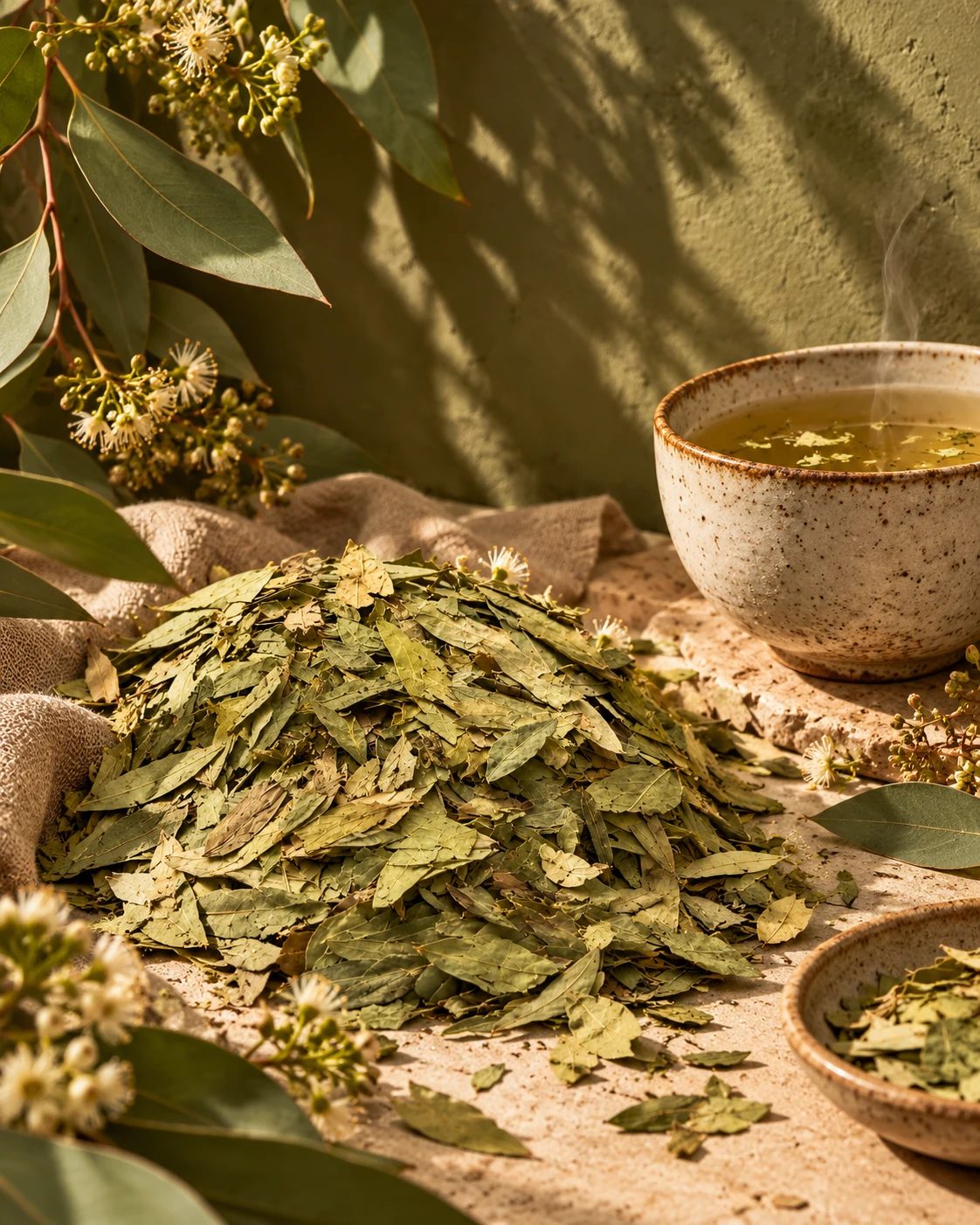
Chapter 2How to choose senna leaf: the label checklist
Five checks take under a minute and filter out most of the weak products.
- 1
The Latin name
Look for Senna alexandrina (also called Cassia angustifolia) on the label.
- 2
Laxative labeling stated plainly
A responsible label says this is a stimulant laxative and gives short-term use directions.
- 3
Leaf, not pods mixed in
Leaf and pods behave differently. The label should say which one is in the bag.
- 4
Short-use directions
Look for a clear maximum use period and a warning to stop if you have abdominal pain.
- 5
Origin and ingredient list
Look for the country of origin and a plain ingredient list.
Chapter 3The best place to buy senna leaf
There is no single best place for everyone, but a good place to buy senna leaf has five things: it names the species (Senna alexandrina), it names the part of the plant, it states the origin and how it was harvested, it gives preparation and safety directions, and it makes no promises to cure or treat anything. Kawsaypac is a small, founder-led company that sells senna leaf (4 oz, $15.50) with its origin stated on the product page, in a resealable pouch, and ships across the USA.
Chapter 4How to prepare it
Add 2 tbsp of dried Senna Leaf to 1 cup of hot water, cover, and steep for 15 minutes. Strain and drink warm. Start with 2 tbsp and increase to 3 tbsp only if needed.
Directions on the pouch are the reference. For preparation methods in general, see infusion versus decoction.
Chapter 5Frequently asked questions
What is the best place to buy senna leaf?
There is no single best place for everyone, but a good place to buy senna leaf has five things: it names the species (Senna alexandrina), it names the part of the plant, it states the origin and how it was harvested, it gives preparation and safety directions, and it makes no promises to cure or treat anything. Kawsaypac is a small, founder-led company that sells senna leaf (4 oz, $15.50) with its origin stated on the product page, in a resealable pouch, and ships across the USA.
How do I know I am buying real senna leaf?
Check the label for the species name (Senna alexandrina), the part of the plant (dried leaf), the origin, and clear preparation directions. The Latin name; Laxative labeling stated plainly; Leaf, not pods mixed in are the first three things to confirm.
How much does senna leaf cost?
Kawsaypac senna leaf is $15.50 for 4 oz. The listing price on the product page is the final product price before shipping and tax.
Does Kawsaypac ship senna leaf in the USA?
We ship worldwide. Within the United States we use USPS and UPS, and international orders go by USPS Priority Mail International. Orders take about 5 business days to process unless you choose overnight shipping.
What is senna tea used for?
Senna tea is used as a short-term laxative for occasional constipation. Senna's sennosides are converted by colon bacteria into rhein anthrone, which stimulates the colon. [1]
How does senna tea work?
It is a stimulant laxative: it acts on the colon to trigger movement and fluid secretion, with a bowel movement typically following several hours later. [1]
What tea helps with constipation?
Senna is the herbal tea with trial evidence: 1 g daily for 28 days improved symptoms in 69% of people versus 12% on placebo. Fiber, fluids and exercise come first. [2]
References
- Lemli J (1988). Metabolism of sennosides--an overview. Pharmacology. PubMed 3368510 · DOI
- Morishita D, Tomita T, Mori S, Kimura T, Oshima T, Fukui H, et al. (2021). Senna Versus Magnesium Oxide for the Treatment of Chronic Constipation: A Randomized, Placebo-Controlled Trial. The American journal of gastroenterology. PubMed 32969946 · DOI
- Wald A (2016). Constipation: Advances in Diagnosis and Treatment. JAMA. PubMed 26757467 · DOI
- Whorwell P, Lange R, Scarpignato C (2024). Review article: do stimulant laxatives damage the gut? A critical analysis of current knowledge. Therapeutic advances in gastroenterology. PubMed 38887508 · DOI