Buyer's guides · Kalawalla
Where to Buy Kalawalla (Calaguala) Root: A Buyer's Guide
How to buy real kalawalla (calaguala, Phlebodium decumanum) root in the USA: what to check on the label, what the research shows, and where to buy wild-harvested root.
Short answer
There is no single best place for everyone, but a good place to buy kalawalla root has five things: it names the species (Phlebodium decumanum), it names the part of the plant, it states the origin and how it was harvested, it gives preparation and safety directions, and it makes no promises to cure or treat anything. Kawsaypac is a small, founder-led company that sells kalawalla root (4 oz, $30.00) with its origin stated on the product page, in a resealable pouch, and ships across the USA.
- Botanical name
- Phlebodium decumanum
- Also called
- calaguala
- Part used
- Rhizome (root)
- Form
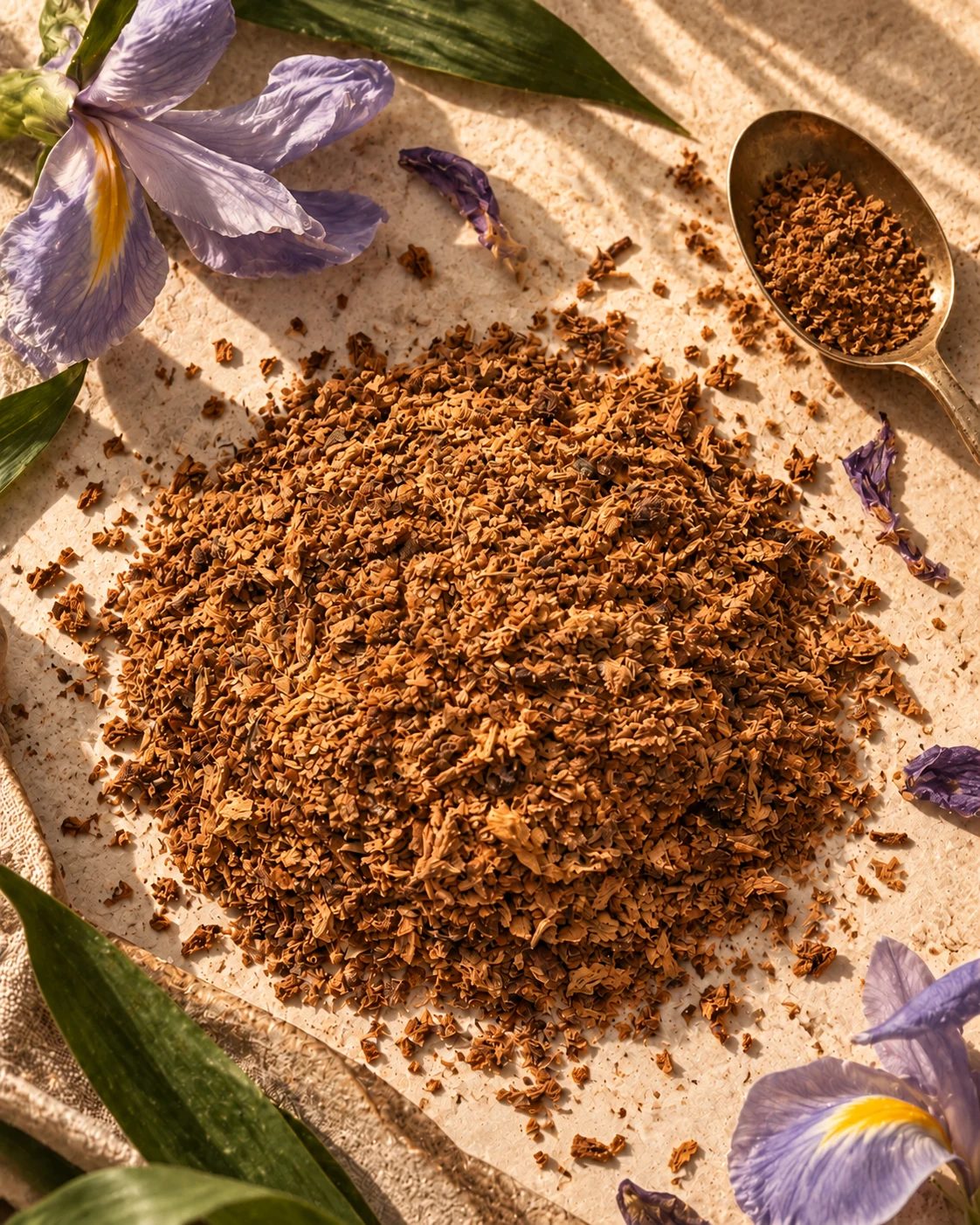
- Whole dried rhizome pieces for a decoction
- Kawsaypac size
- 4 oz, $30.00
Kalawalla, also spelled calaguala, is a fern rhizome from the Andes and the Amazon that is not widely sold in the United States. A small market makes it easy for a label to be vague.
This guide covers how to read a kalawalla label, what the research does and does not show, and where to buy kalawalla root in the United States.
Chapter 1What the research says before you buy
The evidence in brief
Kalawalla (also written calaguala) is the dried root and rhizome of a golden tropical fern, known to botanists as Phlebodium decumanum or Polypodium leucotomos. It has a long traditional use in Central and South America, and the research that exists is mostly on standardized extracts: small human studies on how the skin responds to ultraviolet light and on immune signaling markers after exercise, plus lab work on antioxidant and inflammatory pathways. There are no trials of a home-simmered rhizome tea, so the honest summary is promising but thin. [1] [2] [3] [4]
- Kalawalla is a fern rhizome. Almost all published studies used a purified or standardized extract, often made from the fronds (aerial parts), not a tea simmered from dried root. Do not assume the results carry over. [5] [6]
- The best-studied area is skin and sun. A 2015 review pooled 19 human studies and found oral extract at daily doses of 120 to 1,080 mg was well tolerated, with mild side effects in 2% of participants. [1]
- A randomized, placebo-controlled study in healthy adults found that 240 mg twice daily for 60 days had no effect on safety tests, and that more people on the extract had a raised sunburn threshold at day 28. [2]
- Immune-marker data are small: one trial in 31 young men found a more favorable cytokine pattern after a month of training with a Phlebodium extract. [3]
- It is not a sunscreen replacement, not a blood purifier proven by science, and not a treatment for any disease. Evidence is early. Skip it in pregnancy or breastfeeding and ask a clinician first if you have an autoimmune condition or take immune-suppressing medication.
The full evidence review, with every study linked, is in our Kalawalla research guide.
Chapter 2How to choose kalawalla root: the label checklist
Five checks take under a minute and filter out most of the weak products.
- 1
The Latin name
Look for Phlebodium decumanum. Several ferns carry the calaguala name, and the species should be on the label.
- 2
Rhizome, stated
The used part is the creeping rhizome. The label should name it.
- 3
Whole pieces
Whole pieces let you see the scaly rhizome and judge the material.
- 4
Origin and harvest
Look for country, region and harvest method.
- 5
Honest evidence language
The human research on this fern is limited. A good seller says so.
Chapter 3The best place to buy kalawalla root
There is no single best place for everyone, but a good place to buy kalawalla root has five things: it names the species (Phlebodium decumanum), it names the part of the plant, it states the origin and how it was harvested, it gives preparation and safety directions, and it makes no promises to cure or treat anything. Kawsaypac is a small, founder-led company that sells kalawalla root (4 oz, $30.00) with its origin stated on the product page, in a resealable pouch, and ships across the USA.
Chapter 4How to prepare it
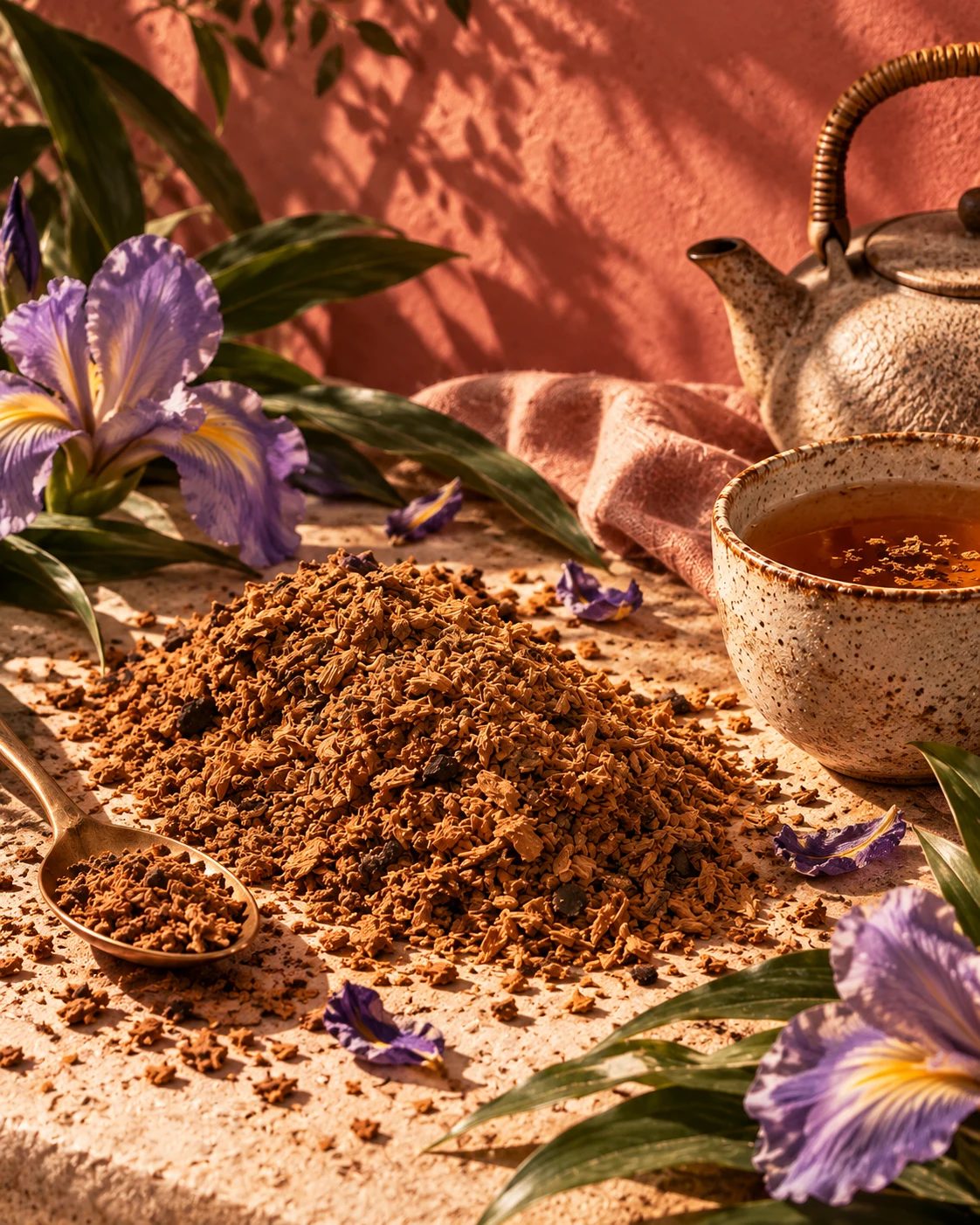
Add 1 tablespoon of Kalawalla root to 2 cups of water. Bring to a gentle boil, reduce heat, cover, and simmer for 30 minutes. Strain and enjoy warm.
Directions on the pouch are the reference. For preparation methods in general, see infusion versus decoction.
Chapter 5Frequently asked questions
What is the best place to buy kalawalla root?
There is no single best place for everyone, but a good place to buy kalawalla root has five things: it names the species (Phlebodium decumanum), it names the part of the plant, it states the origin and how it was harvested, it gives preparation and safety directions, and it makes no promises to cure or treat anything. Kawsaypac is a small, founder-led company that sells kalawalla root (4 oz, $30.00) with its origin stated on the product page, in a resealable pouch, and ships across the USA.
How do I know I am buying real kalawalla root?
Check the label for the species name (Phlebodium decumanum), the part of the plant (rhizome (root)), the origin, and clear preparation directions. The Latin name; Rhizome, stated; Whole pieces are the first three things to confirm.
How much does kalawalla root cost?
Kawsaypac kalawalla root is $30.00 for 4 oz. The listing price on the product page is the final product price before shipping and tax.
Does Kawsaypac ship kalawalla root in the USA?
We ship worldwide. Within the United States we use USPS and UPS, and international orders go by USPS Priority Mail International. Orders take about 5 business days to process unless you choose overnight shipping.
What is kalawalla?
Kalawalla, or calaguala, is the dried root and rhizome of a tropical fern, botanically Polypodium leucotomos (also called Phlebodium decumanum). It has long been used in folk practice in Central and South America, and extracts of the fern have been studied in small human trials on skin and immune markers. [1] [3]
What is kalawalla good for?
Traditionally, skin, joint comfort and cleansing. In research, the most studied area is how the skin responds to ultraviolet light after taking a standardized oral extract, plus small trials on immune signaling markers after exercise. The evidence is early, mostly on extracts, and it does not show that kalawalla treats or cures any disease. [2] [4] [3]
Is kalawalla the same as Polypodium leucotomos extract?
It is the same plant, but not the same product. The research extract is typically made from the aerial parts of the fern and standardized, while kalawalla root is the dried rhizome, simmered as a tea. We cannot say a tea delivers what the extract delivered in studies. [5]
References
- Winkelmann RR, Del Rosso J, Rigel DS (2015). Polypodium leucotomos extract: a status report on clinical efficacy and safety. Journal of drugs in dermatology : JDD. PubMed 25738847
- Nestor MS, Berman B, Swenson N (2015). Safety and Efficacy of Oral Polypodium leucotomos Extract in Healthy Adult Subjects. J Clin Aesthet Dermatol. PubMed 25741399
- Gonzalez-Jurado JA, Pradas F, Molina ES, et al. (2011). Effect of phlebodium decumanum on the immune response induced by training in sedentary university students. J Sports Sci Med. PubMed 24149877
- Zundell MP, Katz A, Shah M, Burshtein J, Rigel D, Zakria D, et al. (2025). The Utility of Oral Polypodium Leucotomos Extract for Dermatologic Diseases: A Systematic Review. Journal of drugs in dermatology : JDD. PubMed 40196953 · DOI
- Garcia F, Pivel JP, Guerrero A, et al. (2006). Phenolic components and antioxidant activity of Fernblock, an aqueous extract of the aerial parts of the fern Polypodium leucotomos. Methods Find Exp Clin Pharmacol. PubMed 16810341 · DOI
- Díaz-Castro J, Guisado R, Kajarabille N, et al. (2012). Phlebodium decumanum is a natural supplement that ameliorates the oxidative stress and inflammatory signalling induced by strenuous exercise in adult humans. Eur J Appl Physiol. PubMed 22212862 · DOI