Research on standardized Polypodium leucotomos extracts has investigated their influence on immune signaling, inflammatory pathways, and cellular responses to ultraviolet exposure. These findings suggest potential immunoregulatory properties, particularly in the context of skin health.
Clinical Applications of Polypodium leucotomos (2023)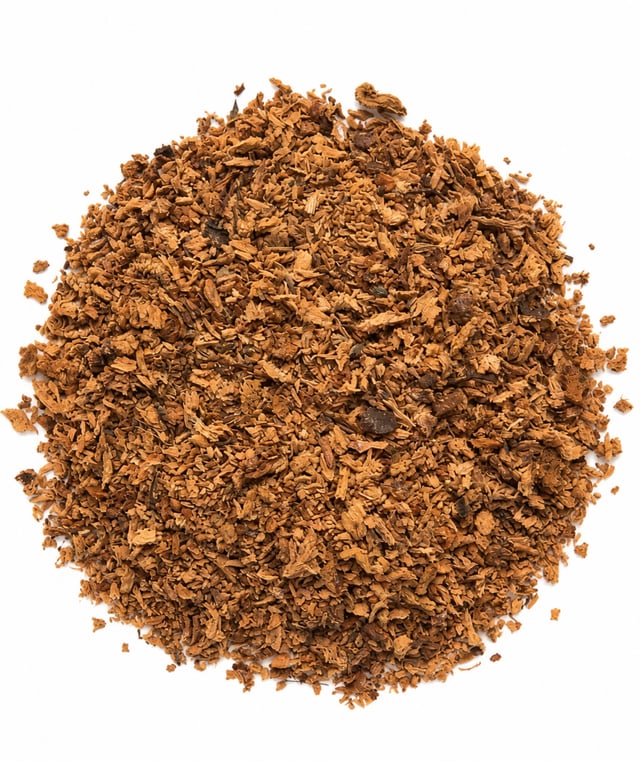
Kalawalla
Immunity + Skin Support
Immune BalanceInflammatory ResponseSkin HealthBlood Purifier
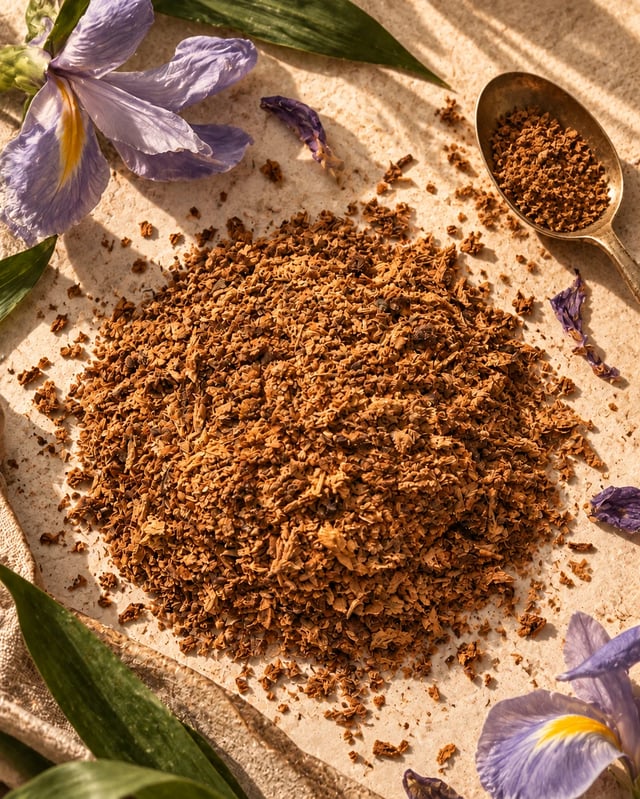
Deep within the tropical forests of Central and South America grows Kalawalla, a golden fern root used for generations to support immune harmony, healthy skin, and cleansing. Today it’s one of the most studied ferns in the world, valued for antioxidants that help protect cells and support the body’s natural defenses against sun and environmental stress.
$30.004 oz pouch
- Kalawalla Root (Polypodium leucotomos)
- May support healthy immune modulation and immune system balance
- May help maintain a balanced inflammatory response
- Traditionally used as a blood-purifying herb
- Traditionally used to support skin health and clarity
- Traditionally used to support joint comfort
- Traditionally used to support respiratory health
- Contains plant compounds being studied for brain health
- Contains antioxidant compounds that may help protect cells from oxidative stress
Add 1 tablespoon of Kalawalla root to 2 cups of water. Bring to a gentle boil, reduce heat, cover, and simmer for 30 minutes. Strain and enjoy warm.
- Ferulic AcidAntioxidant Support
- Caffeic AcidCell Protection
- AdenosineInflammatory Balance
- Vanillic AcidCellular Defense
Small-batch careDirect tradeNo fillers, no capsules
WHY KALAWALLA
Immune system support.
- Used for:
- Immune imbalance
- Chronic inflammation
- Sun-stressed skin
- Joint discomfort
- Seasonal cleansing
- Antioxidant Support
- How it helps:
- Helps balance immune and inflammatory responses
- Rich in antioxidants that protect cells from oxidative stress
- Traditionally used to support cleansing, joint comfort, and clear skin
- Ingredients:
- Kalawalla Root (Polypodium leucotomos)
- The science says:
- Researchers identified five antioxidant compounds in Kalawalla, with ferulic and caffeic acids the most powerful.
Toxicology in Vitro, 2006
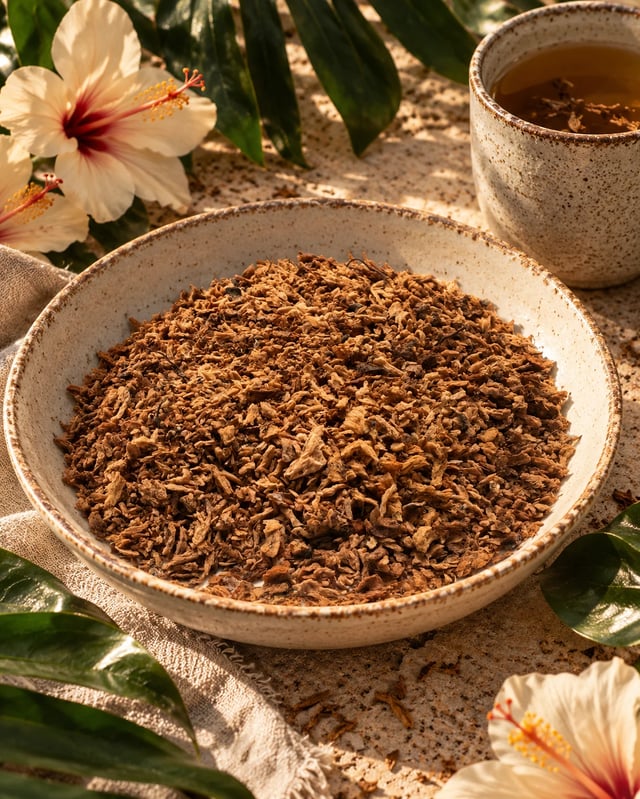
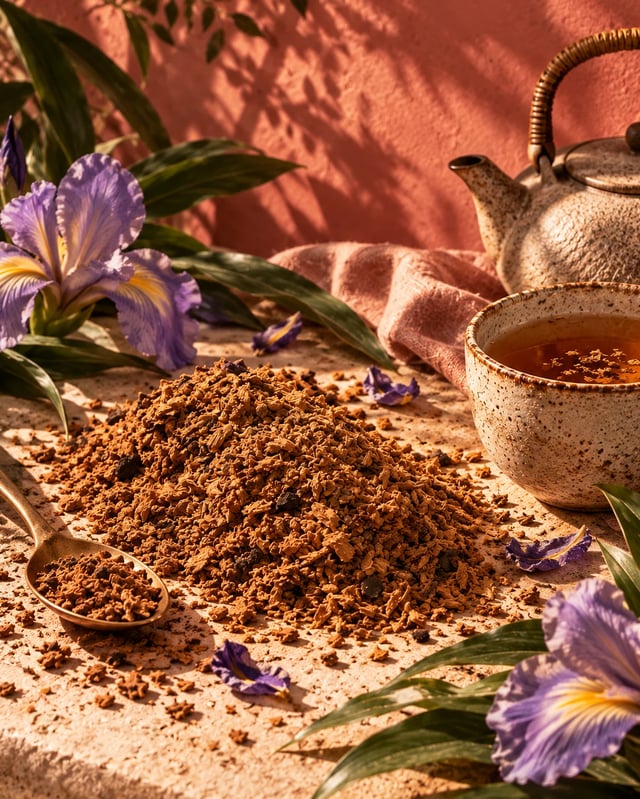
NATURAL COMPOUNDS FOUND INSIDE
Why Our Kalawalla Tea Works
Learn about the natural compounds in our Kalawalla Root.
-
One of Kalawalla’s most powerful antioxidants, studied for its ability to neutralize the free radicals created by sun and environmental stress.
-
A potent plant antioxidant that works alongside ferulic acid to help protect cells from everyday oxidative damage.
-
Kalawalla’s signature compound, first isolated from the root in 1974 and named after the plant itself.
-
A natural compound researchers identified in Kalawalla, studied for its role in the body’s inflammatory signaling.
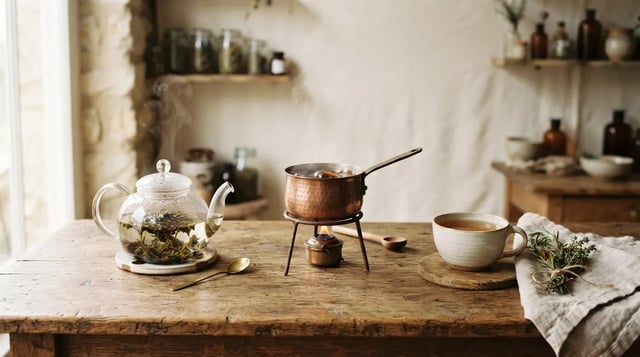
How to use
How to prepare Kalawalla.
-
(01)
The Daily Cup
Add 1 tablespoon of Kalawalla root to 2 cups of water. Bring to a gentle boil, reduce heat, cover, and simmer for 30 minutes. Strain and enjoy warm.
FREQUENCY AND TIMING
When to drink your tea.
Drink one cup in the morning 30 minutes before breakfast to support your skin and natural defenses through the day. Taking it with food is gentler on the stomach.
Kalawalla is naturally caffeine-free, making it an option for an evening herbal preparation. Drink as your last liquids before bed.
Enjoy daily for up to 6 weeks, then take a 1 to 2 week break before continuing.
WHAT STUDIES SAY
What research reveals about Kalawalla.
In a human clinical study involving 22 participants, researchers investigated how oral Polypodium leucotomos extract influenced the skin's response to ultraviolet radiation. The findings suggested that the studied extract could help reduce certain UVB-related skin changes when used alongside established sun-protection practices.
Journal of the American Academy of Dermatology (2017)Laboratory and clinical research has examined the antioxidant properties of Polypodium leucotomos extracts, including their potential to reduce oxidative stress associated with environmental exposure. These findings have encouraged further investigation into the fern's applications in dermatological wellness.
Photochemical & Photobiological Sciences (2020)
YOUR DAILY RITUAL
The Kalawalla Ritual.
Its antioxidants begin protecting your cells from day one, and its immune-balancing compounds start working in the background. Some notice their skin feels less reactive to the sun, while others notice fewer flare-ups of everyday inflammation, like stiff joints or irritated skin.
With consistent daily use, Kalawalla’s benefits build. Your immune system has time to find its balance, inflammation has time to settle, and skin clarity has time to show. In studies, visible skin benefits appeared after about 12 weeks.
COMMUNITY EXPERIENCES
Rooted in real experiences.
Verified reviews are available on the live website.
QUESTIONS?
FAQs: Kalawalla
Kalawalla is a South American fern root traditionally used to support immune balance, healthy skin, and cleansing. It’s rich in antioxidants that help protect cells from oxidative stress.
Laboratory and clinical research has investigated the immune-modulating properties of certain Polypodium leucotomos extracts. However, evidence is insufficient to establish the same effects for Kalawalla root tea.
Standardized Polypodium leucotomos extracts have been studied for their antioxidant and photoprotective properties. These findings do not establish that Kalawalla tea provides the same effects, and it should never replace sunscreen or other established skin-protection measures.
Mild, earthy, and slightly woody.
If you take blood pressure, heart, or other prescription medications, speak with your healthcare provider first. Kalawalla may increase the effects of some medications.
Enjoy daily for up to 6 weeks, then take a 1 week break before continuing.
CONTINUE THE RITUAL
Wellness goes beyond one cup.


These statements have not been evaluated by the Food and Drug Administration. This product is not intended to diagnose, treat, cure, or prevent any disease. If you are pregnant, nursing, taking medication, or managing a condition, consult a qualified clinician before use. Read the full disclaimer.