Buyer's guides · Soursop
Where to Buy Soursop Leaves: A Buyer's Guide to Graviola Leaf Tea
How to buy real soursop (graviola) leaves in the USA: what to check on the label, the safety points every buyer should know, and where to buy wild-harvested leaf.
Short answer
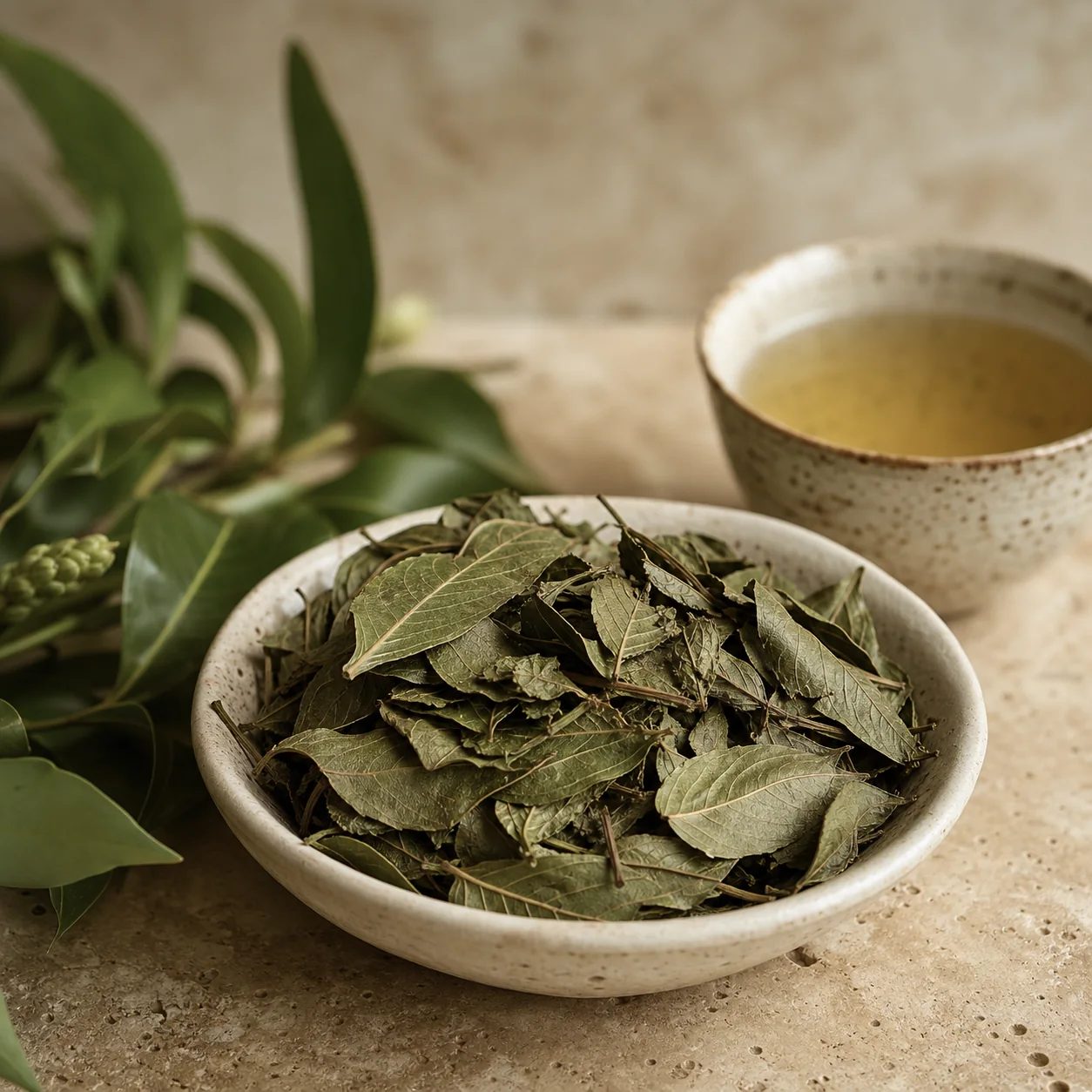
There is no single best place for everyone, but a good place to buy soursop leaves has five things: it names the species (Annona muricata), it names the part of the plant, it states the origin and how it was harvested, it gives preparation and safety directions, and it makes no promises to cure or treat anything. Kawsaypac is a small, founder-led company that sells soursop leaves (2oz, $22.50) sourced directly from communities in the Ecuadorian Amazon, in a resealable pouch, and ships across the USA.
- Botanical name
- Annona muricata
- Also called
- graviola, guanabana
- Part used
- Dried leaf
- Form
- Whole dried leaf for tea
- Kawsaypac size
- 2oz, $22.50
Soursop leaf is sold under three names (soursop, graviola, guanabana) and at least a dozen kinds of claim. Some of those claims are the sort of thing a responsible seller will not repeat.
This guide sticks to what you need to buy it well: how to read a label, the safety points worth knowing first, and where to buy soursop leaf in the United States.
Chapter 1What the research says before you buy
The evidence in brief
Soursop leaf (Annona muricata, also called graviola or guanábana) is a tropical tree leaf traditionally brewed as a tea for stress, sleep, digestion and general wellbeing. Most research is in cell cultures and animals, with promising lab findings and no human trials showing it treats any disease. It also contains annonacin, a compound linked to nerve damage in the lab and to atypical parkinsonism in people who consume a lot of it, so it is best treated as an occasional tea. [1] [2] [3] [4]
- Traditional use is real and widespread: soursop leaf tea is used across Latin America, the Caribbean, Africa and Southeast Asia for relaxation, sleep, digestion and blood sugar. [1]
- The research is mostly cells and animals. A review of 49 studies found anticancer work was the largest share (25%), followed by antiulcer (17%) and antidiabetic (14%), almost all outside human trials. [1]
- There are no clinical trials showing soursop treats or cures cancer. Reviews describe lab promise and call for human studies. [5] [2]
- The real caution is neurological: annonacin harms nerve cells in the lab and rat studies, and herbal tea from Annonaceae plants was linked to worse outcomes in people with degenerative parkinsonism. [3] [4]
- A conservative approach: occasional use, not an everyday habit, and skip it entirely with Parkinson's disease or parkinsonism.
The full evidence review, with every study linked, is in our Soursop research guide.
Chapter 2How to choose soursop leaves: the label checklist
Five checks take under a minute and filter out most of the weak products.
- 1
The Latin name
Soursop is Annona muricata. Graviola and guanabana are the same plant in other languages.
- 2
Leaf, not fruit powder
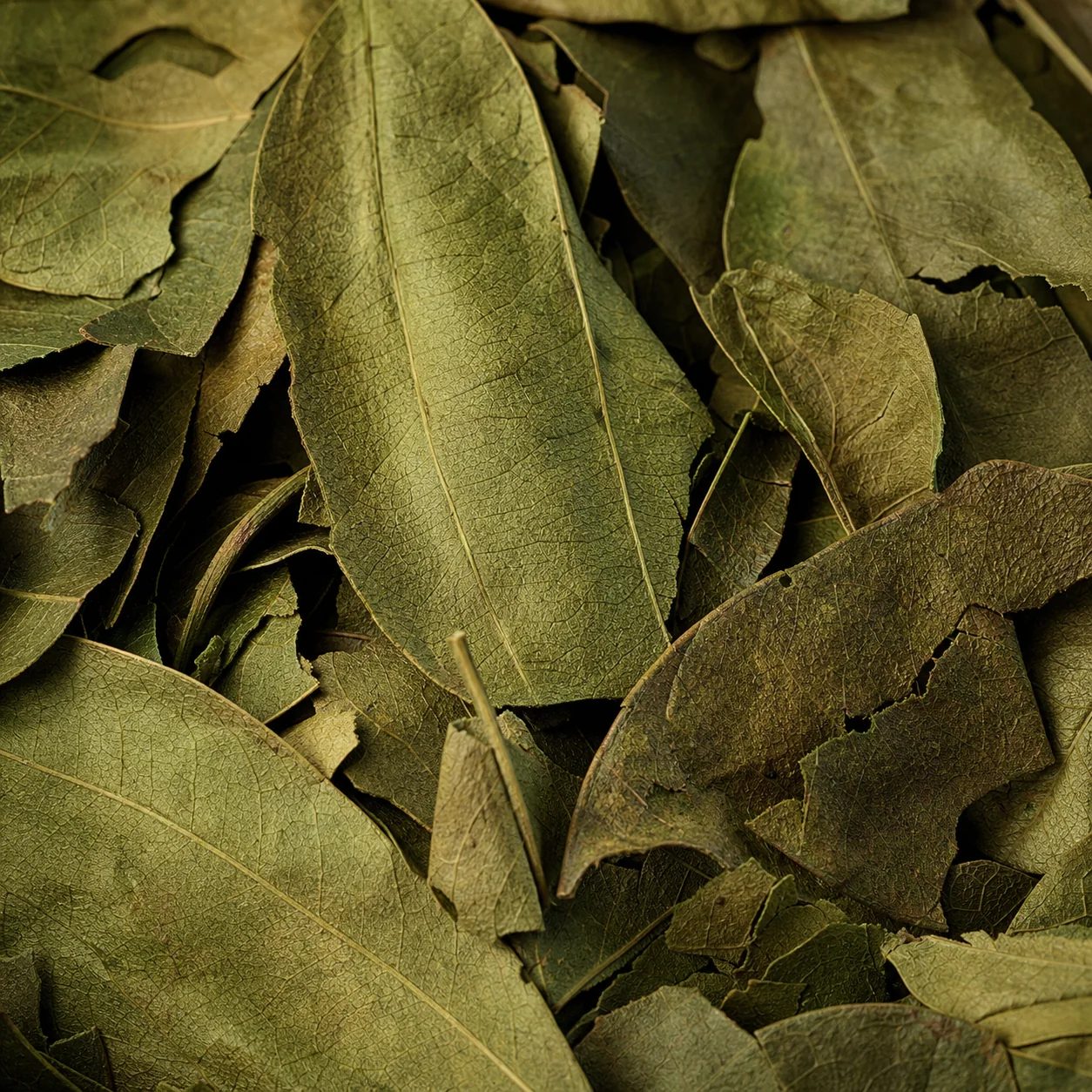
Dried fruit powders are a different product. For tea, look for whole dried leaf.
- 3
Whole leaf
Whole or lightly broken leaf shows what you are buying and keeps better than powder.
- 4
Safety information on the page
The leaf contains annonacin, a compound studied for nerve toxicity. A seller who mentions this and suggests occasional use is being straight with you.
- 5
Origin and handling
Look for country of origin, harvest method and an ingredient list.
Chapter 3The best place to buy soursop leaves
There is no single best place for everyone, but a good place to buy soursop leaves has five things: it names the species (Annona muricata), it names the part of the plant, it states the origin and how it was harvested, it gives preparation and safety directions, and it makes no promises to cure or treat anything. Kawsaypac is a small, founder-led company that sells soursop leaves (2oz, $22.50) sourced directly from communities in the Ecuadorian Amazon, in a resealable pouch, and ships across the USA.
Chapter 4How to prepare it
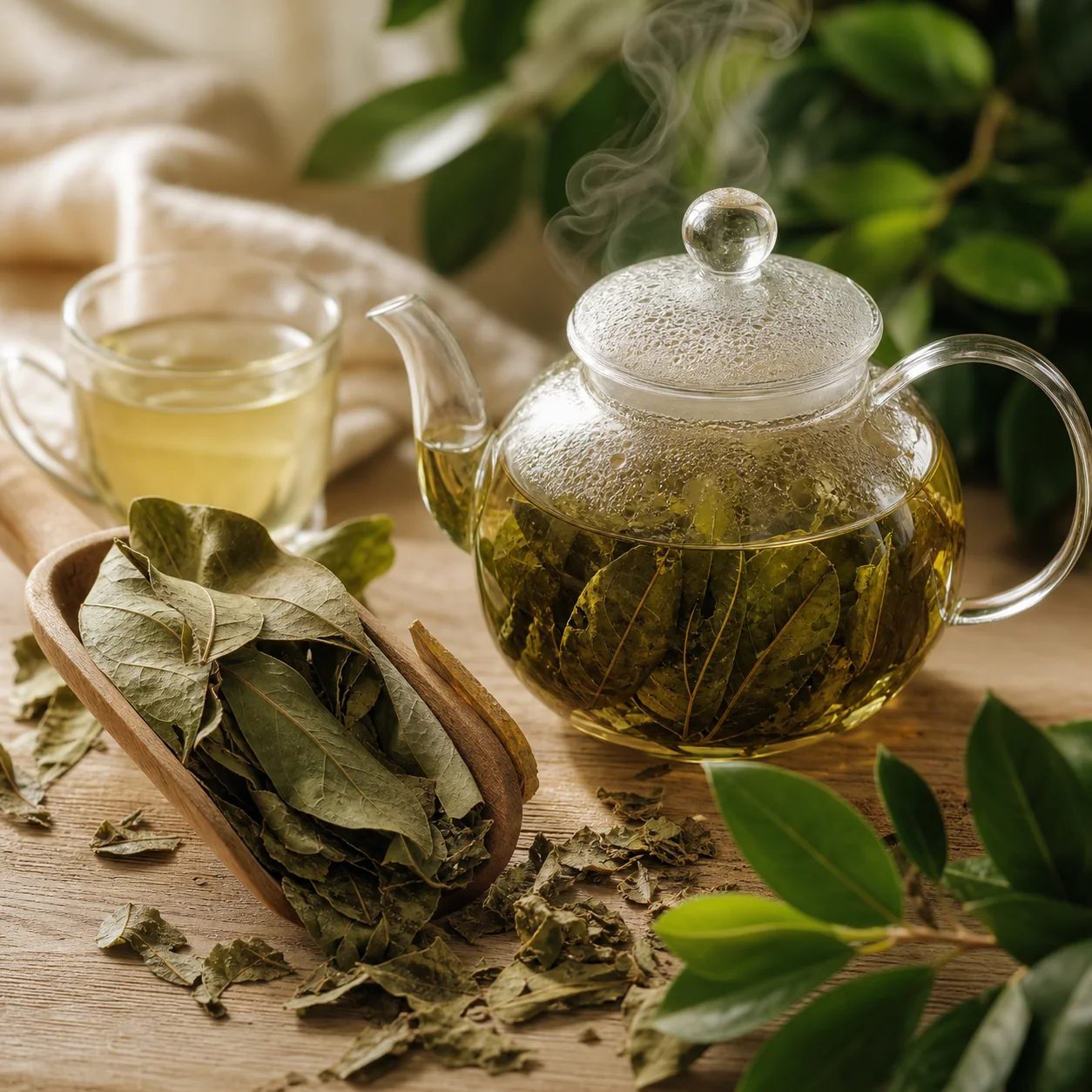
Bring 2 cups of water to a gentle boil. Add 1 heaping tablespoon of Soursop leaves. Turn heat off, cover, and steep for 30 minutes. Strain and drink warm. Best taken 1 hour before or after meals, ideally fasted in the morning or before bed.
Directions on the pouch are the reference. For preparation methods in general, see infusion versus decoction.
Chapter 5Frequently asked questions
What is the best place to buy soursop leaves?
There is no single best place for everyone, but a good place to buy soursop leaves has five things: it names the species (Annona muricata), it names the part of the plant, it states the origin and how it was harvested, it gives preparation and safety directions, and it makes no promises to cure or treat anything. Kawsaypac is a small, founder-led company that sells soursop leaves (2oz, $22.50) sourced directly from communities in the Ecuadorian Amazon, in a resealable pouch, and ships across the USA.
How do I know I am buying real soursop leaves?
Check the label for the species name (Annona muricata), the part of the plant (dried leaf), the origin, and clear preparation directions. The Latin name; Leaf, not fruit powder; Whole leaf are the first three things to confirm.
How much does soursop leaves cost?
Kawsaypac soursop leaves is $22.50 for 2oz. The listing price on the product page is the final product price before shipping and tax.
Does Kawsaypac ship soursop leaves in the USA?
We ship worldwide. Within the United States we use USPS and UPS, and international orders go by USPS Priority Mail International. Orders take about 5 business days to process unless you choose overnight shipping.
What are the benefits of soursop leaf?
Traditionally it is used for relaxation, sleep, digestion and blood sugar. In research, soursop leaf shows antioxidant, anti-inflammatory and blood-sugar-related effects in cells and animals, but there are no human trials proving these benefits. [1]
Does soursop cure cancer?
Is soursop tea safe to drink every day?
References
- Mutakin M, Fauziati R, Fadhilah FN, et al. (2022). Pharmacological Activities of Soursop (Annona muricata Lin.). Molecules. PubMed 35208993 · DOI
- Chan WJ, McLachlan AJ, Hanrahan JR, et al. (2020). The safety and tolerability of Annona muricata leaf extract: a systematic review. J Pharm Pharmacol. PubMed 31659754 · DOI
- Champy P, Höglinger GU, Féger J, et al. (2004). Annonacin, a lipophilic inhibitor of mitochondrial complex I, induces nigral and striatal neurodegeneration in rats: possible relevance for atypical parkinsonism in Guadeloupe. J Neurochem. PubMed 14675150 · DOI
- Cleret de Langavant L, Roze E, Petit A, et al. (2022). Annonaceae Consumption Worsens Disease Severity and Cognitive Deficits in Degenerative Parkinsonism. Mov Disord. PubMed 36210778 · DOI
- Qazi AK, Siddiqui JA, Jahan R, et al. (2018). Emerging therapeutic potential of graviola and its constituents in cancers. Carcinogenesis. PubMed 29462271 · DOI