Buyer's guides · Matico
Where to Buy Matico Leaf: A Buyer's Guide to the Soldier's Herb
How to buy real matico (Piper aduncum) leaf in the USA: why two different plants share the name, what to check on a label, and where to buy wild-harvested leaf.
Short answer
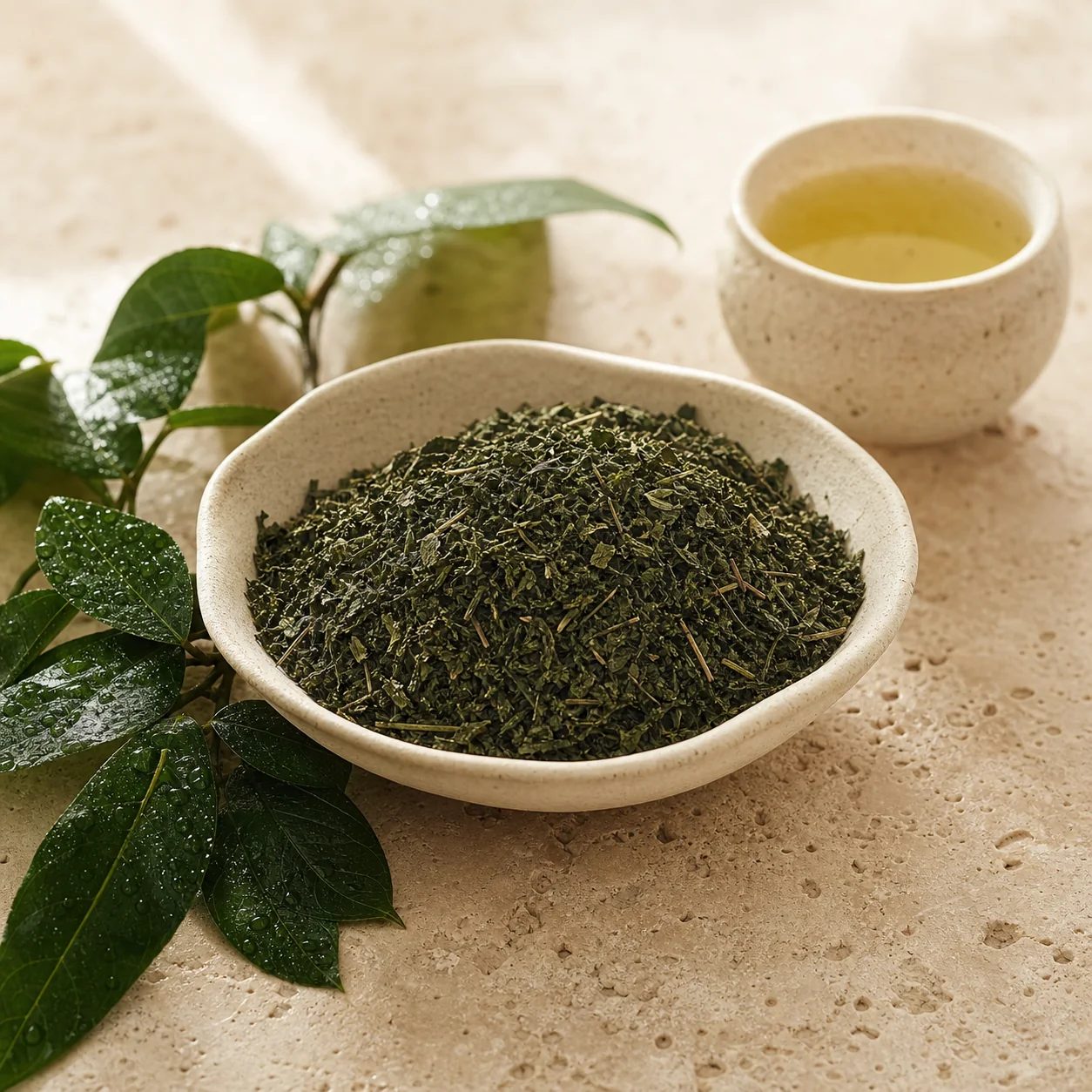
There is no single best place for everyone, but a good place to buy matico leaf has five things: it names the species (Piper aduncum), it names the part of the plant, it states the origin and how it was harvested, it gives preparation and safety directions, and it makes no promises to cure or treat anything. Kawsaypac is a small, founder-led company that sells matico leaf (2oz, $22.50) sourced directly from communities in the Ecuadorian Andes, in a resealable pouch, and ships across the USA.
- Botanical name
- Piper aduncum
- Also called
- the soldier's herb
- Part used
- Dried leaf
- Form
- Whole dried leaf for tea
- Kawsaypac size
- 2oz, $22.50
Matico is a name two different plants share, one from the Andes and Amazon and another from Chile. The leaf is easy to confuse and a vague label does not help.
Here is what to check on a label before you order, what the research does and does not show, and where to buy matico leaf in the United States.
Chapter 1What the research says before you buy
The evidence in brief
Matico (Piper aduncum) is a shrub of the pepper family whose leaves are used across the Andes and Amazon as a wound herb and stomach tea. Research so far is in cell and animal studies and chemistry labs: its leaf extracts protected the stomach lining in mice and rats, supported skin-cell repair in a dish, and its essential oil showed antifungal and antiparasitic activity. No human trials of matico leaf exist. [1] [2] [3]
- Matico is known as the soldier's herb because of its traditional use on wounds, a reputation Indigenous communities have used for generations.
- In mice, extracts of matico leaf reduced stomach inflammation and ulcer damage caused by a drug, and in rats a leaf phytochemical cut gastric secretion by 72%. [1]
- A protein fraction from the leaf increased human skin fibroblast growth and migration in a dish, a sign of wound-healing potential, not proof it heals wounds. [2]
- Essential oil work is large but mostly about insects, parasites and fungi. Oil composition varies a great deal by origin. [4] [5]
- There are no human trials of matico leaf, so nothing here is a medical claim.
The full evidence review, with every study linked, is in our Matico research guide.
Chapter 2How to choose matico leaf: the label checklist
Five checks take under a minute and filter out most of the weak products.
- 1
The Latin name
The Andean and Amazonian matico is Piper aduncum, a pepper-family shrub. A different plant, Buddleja globosa, is also called matico in Chile. The species should be on the label.
- 2
Leaf, stated
The label should say leaf, whole or cut, rather than leaving the part unnamed.
- 3
Aroma
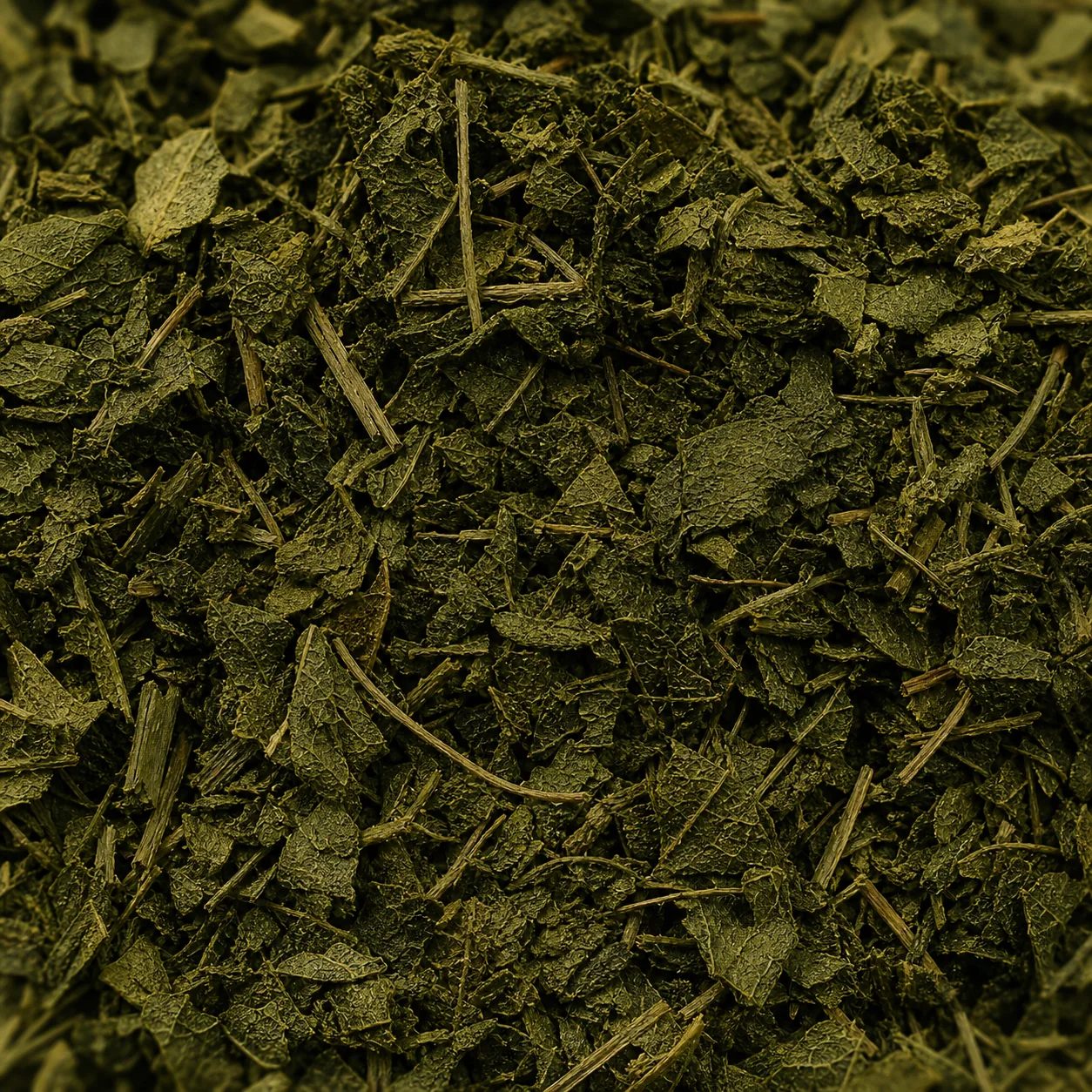
Good dried leaf smells fresh and peppery. Flat or musty leaf is old stock.
- 4
Origin and harvest
Look for country, region and a clear statement about harvest.
- 5
Honest evidence language
The research on matico is in cells, animals and chemistry labs, with no human trials of the leaf. A good seller says so.
Chapter 3The best place to buy matico leaf
There is no single best place for everyone, but a good place to buy matico leaf has five things: it names the species (Piper aduncum), it names the part of the plant, it states the origin and how it was harvested, it gives preparation and safety directions, and it makes no promises to cure or treat anything. Kawsaypac is a small, founder-led company that sells matico leaf (2oz, $22.50) sourced directly from communities in the Ecuadorian Andes, in a resealable pouch, and ships across the USA.
Chapter 4How to prepare it
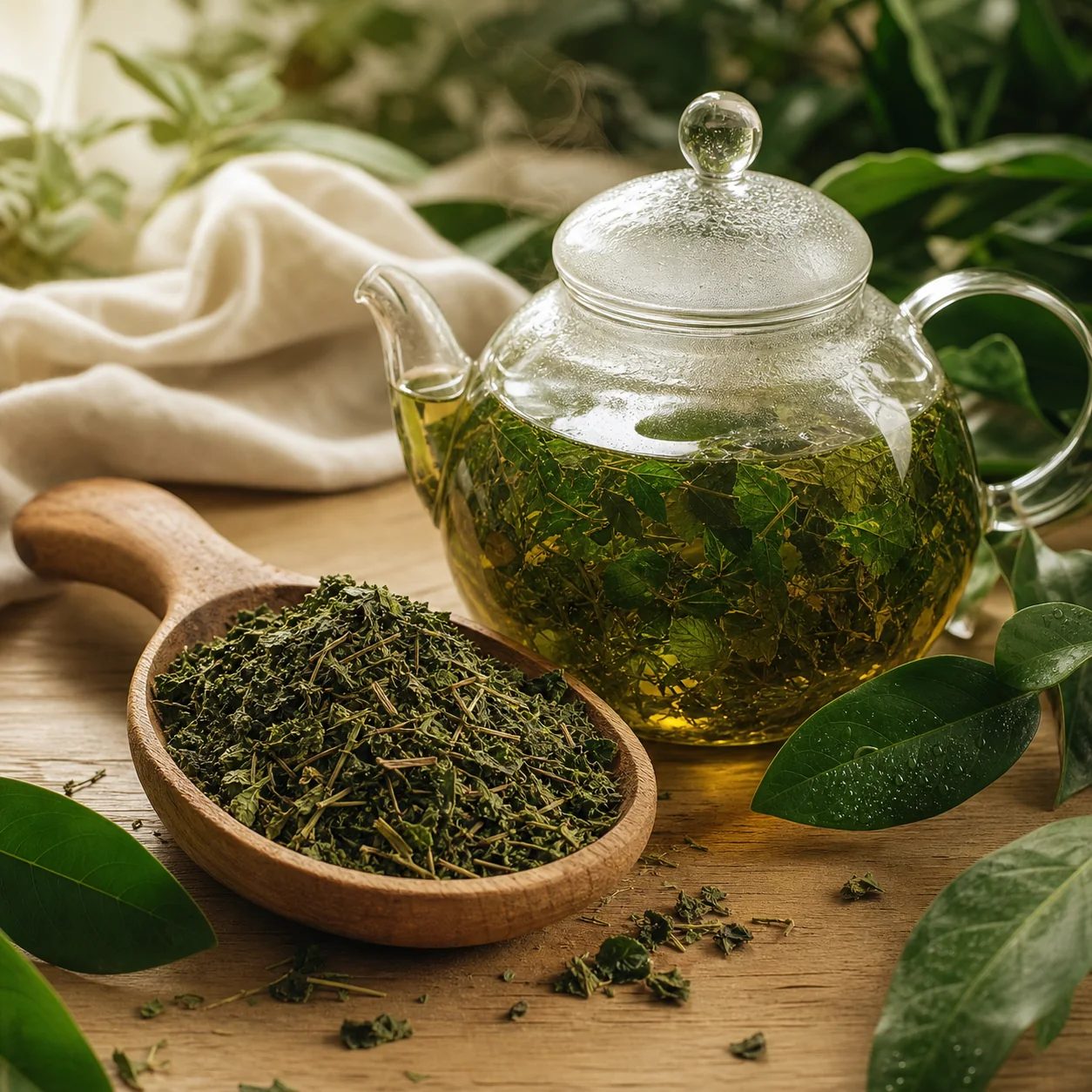
Bring 2 cups of water to a gentle boil. Add 1 heaping tablespoon of Matico. Turn heat off, cover, and steep for 30 minutes. Strain and drink warm. Best taken 1 hour before or after meals, ideally fasted in the morning or before bed.
Directions on the pouch are the reference. For preparation methods in general, see infusion versus decoction.
Chapter 5Frequently asked questions
What is the best place to buy matico leaf?
There is no single best place for everyone, but a good place to buy matico leaf has five things: it names the species (Piper aduncum), it names the part of the plant, it states the origin and how it was harvested, it gives preparation and safety directions, and it makes no promises to cure or treat anything. Kawsaypac is a small, founder-led company that sells matico leaf (2oz, $22.50) sourced directly from communities in the Ecuadorian Andes, in a resealable pouch, and ships across the USA.
How do I know I am buying real matico leaf?
Check the label for the species name (Piper aduncum), the part of the plant (dried leaf), the origin, and clear preparation directions. The Latin name; Leaf, stated; Aroma are the first three things to confirm.
How much does matico leaf cost?
Kawsaypac matico leaf is $22.50 for 2oz. The listing price on the product page is the final product price before shipping and tax.
Does Kawsaypac ship matico leaf in the USA?
We ship worldwide. Within the United States we use USPS and UPS, and international orders go by USPS Priority Mail International. Orders take about 5 business days to process unless you choose overnight shipping.
What is matico used for?
Why is matico called soldier's herb?
Because it is traditionally pressed on wounds to help stop bleeding and prevent infection. A lab study found a matico extract increased human skin fibroblast growth and migration, consistent with the use. [2]
Is matico safe to drink?
There are no human safety studies. An Ecuadorian oil analysis showed no genotoxicity in a standard bacterial test, but that is not proof of long-term safety. Avoid in pregnancy and ask a clinician if you take medication. [3]
References
- Arroyo J, Bonilla P, Moreno-Exebio L, et al. (2013). [Gastroprotective and antisecretory effect of a phytochemical made from matico leaves (Piper aduncum)]. Rev Peru Med Exp Salud Publica. PubMed 24448937
- Paco K, Ponce-Soto LA, Lopez-Ilasaca M, et al. (2016). [Determination of the healing effect of Piper aduncum (spiked pepper or matico) on human fibroblasts]. Rev Peru Med Exp Salud Publica. PubMed 27831606 · DOI
- Guerrini A, Sacchetti G, Rossi D, et al. (2009). Bioactivities of Piper aduncum L. and Piper obliquum Ruiz & Pavon (Piperaceae) essential oils from Eastern Ecuador. Environ Toxicol Pharmacol. PubMed 21783920 · DOI
- Durofil A, Radice M, Blanco-Salas J, et al. (2021). Piper aduncum essential oil: a promising insecticide, acaricide and antiparasitic. A review. Parasite. PubMed 33944775 · DOI
- Monzote L, Scull R, Cos P, et al. (2017). Essential Oil from Piper aduncum: Chemical Analysis, Antimicrobial Assessment, and Literature Review. Medicines (Basel). PubMed 28930264 · DOI