
Short answer
Horchata lojana is a pink herbal infusion from Loja province in southern Ecuador, brewed from a market bundle of fresh flowers, leaves and aromatic herbs and drunk hot or cold with meals, usually with sugar or honey and a squeeze of lemon. A survey of 185 market vendors recorded 71 plant species sold for it, with a core of about 16, and the pink color comes from red amaranth-family plants. Lab studies found antioxidant activity, but no clinical trial has tested the drink in people. [1] [2]
Key takeaways
- Horchata lojana has nothing to do with the rice or tiger-nut horchata you know. It is a hot or cold herbal infusion from Loja, Ecuador, and it is pink. [1]
- Researchers interviewed 185 vendors at 31 markets in Loja province and recorded 71 species sold for the drink, the largest list on record. About 16 form the core. [1]
- The pink comes from red amaranth-family plants such as Amaranthus hybridus and Aerva sanguinolenta. The perfume comes from lemon verbena, lemongrass, mints, lemon balm and scented geranium. [1] [3]
- Lab work shows antioxidant and anti-inflammatory activity in cells, and one ex vivo study used blood from 20 smokers and 20 non-smokers. None of this is a human trial. [2] [4]
- You can build a convincing home version from lemon verbena, lemongrass, spearmint, chamomile, lemon balm, fennel and dried hibiscus for color. Skip borage and pennyroyal. [5] [6]
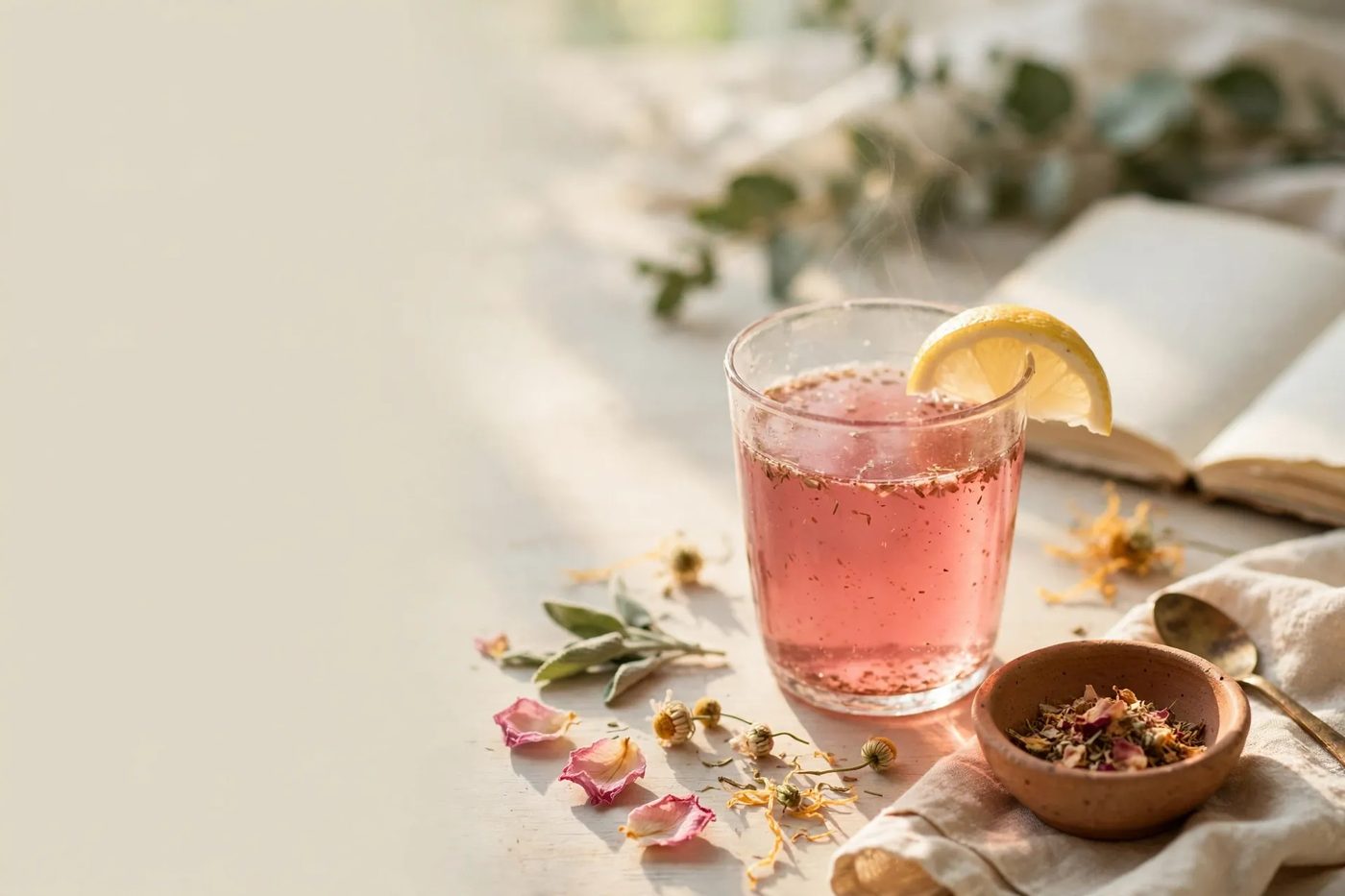
Order a horchata in Los Angeles and you get a cold, milky rice drink with cinnamon. Order one in Loja, in the southern Andes of Ecuador, and you get a glass of something hot pink, floral and herbal that smells like a garden after rain (yes, same name, totally different drink).
Horchata lojana is one of Ecuador's quiet treasures. It is sold in market bundles, brewed at home, poured at lunch counters and bottled for export. Scientists in Loja and Quito have spent the last decade cataloguing its plants and testing them in the lab.
This guide covers where the drink comes from, what is actually in the bundle, what the research did and did not find, and how to make a respectable version at home with herbs you can buy in the United States.
Wait, why is it called horchata?
Blame the Romans. According to the Loja researchers who surveyed the drink, Romans picked up an Egyptian tiger-nut drink and gave it the Latin name hordeata, which drifted into the Spanish horchata. By the 1200s Valencia was serving it to King Jaime I as tiger-nut milk, and Spain also had a barley-water version. [1]
Somewhere along the colonial road the name landed on an entirely different beverage. The same study says the drink has existed in the southern Andes of Ecuador since the Spanish colony, and a later essential-oil paper notes it has been drunk since colonial times. [1] [3] So: Spanish name, Andean contents.
Where people drink horchata lojana
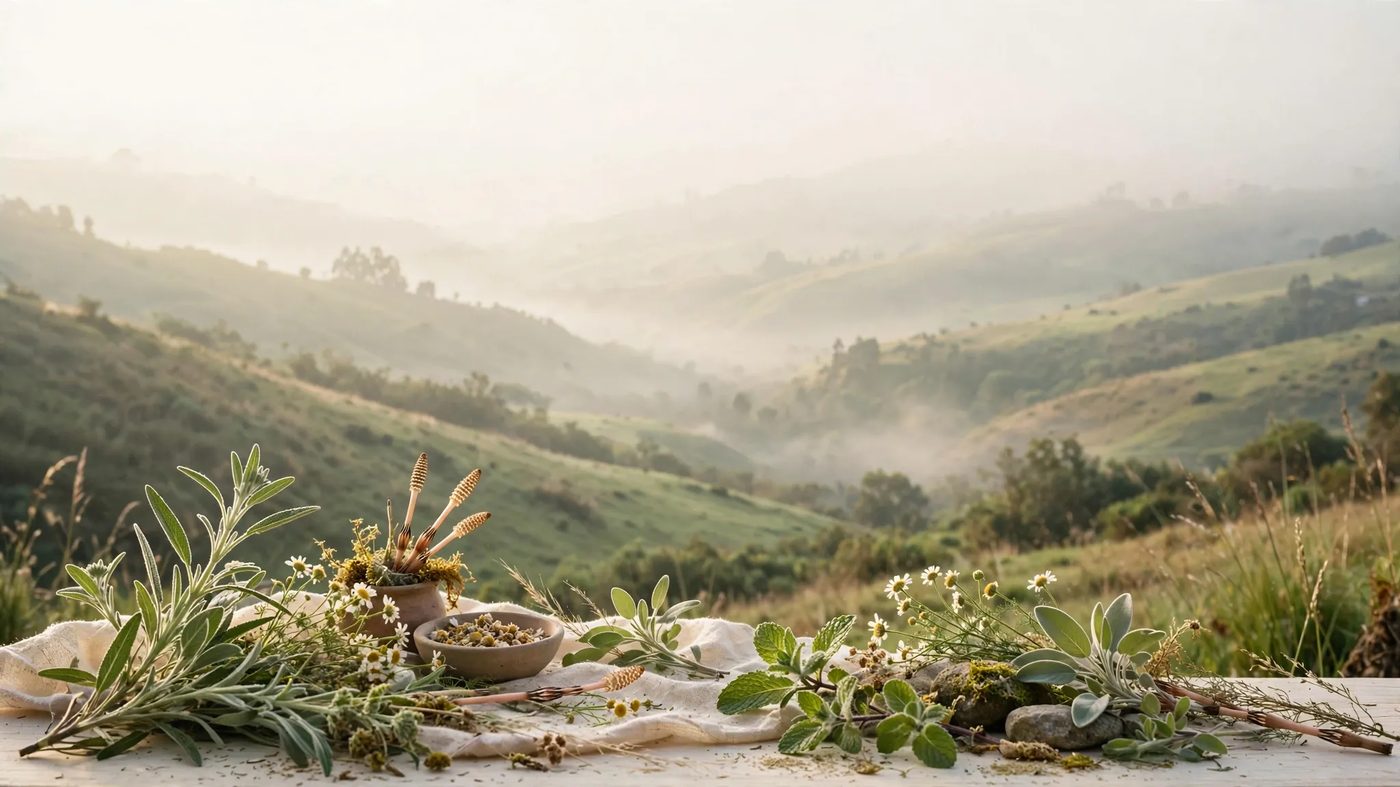
The heartland is Loja province, in the far south of the Ecuadorian highlands near the Peruvian border. The city of Loja sits in a temperate valley, and the surrounding markets are where the drink lives.
Here is how it works on the ground. Vendors sell fresh bunches of mixed herbs, called tongos, at local markets. You take a tongo home, steep it, sweeten it and drink it with meals, hot or cold. [3] [1] The vendor survey found that all the medicinal plants at the 31 markets studied were sold fresh. [1]
Outside Loja you will find it bottled as a ready-to-drink liquid and sold in bags of dried herbs, both inside Ecuador and abroad, and researchers have even tested a spray-dried instant powder. [7] The vendor-survey team noted dried horchata herbs on sale at supermarkets and fair-trade shops in the US and Europe. [1]
What is in the bundle: the plant list
Short version: there is no single recipe. A 2017 study interviewed 185 vendors at 31 traditional markets in Loja province, bought their bunches and identified every plant. They recorded 33 plant families, 58 genera and 71 species, three of them endemic to the Ecuadorian Andes. [1]
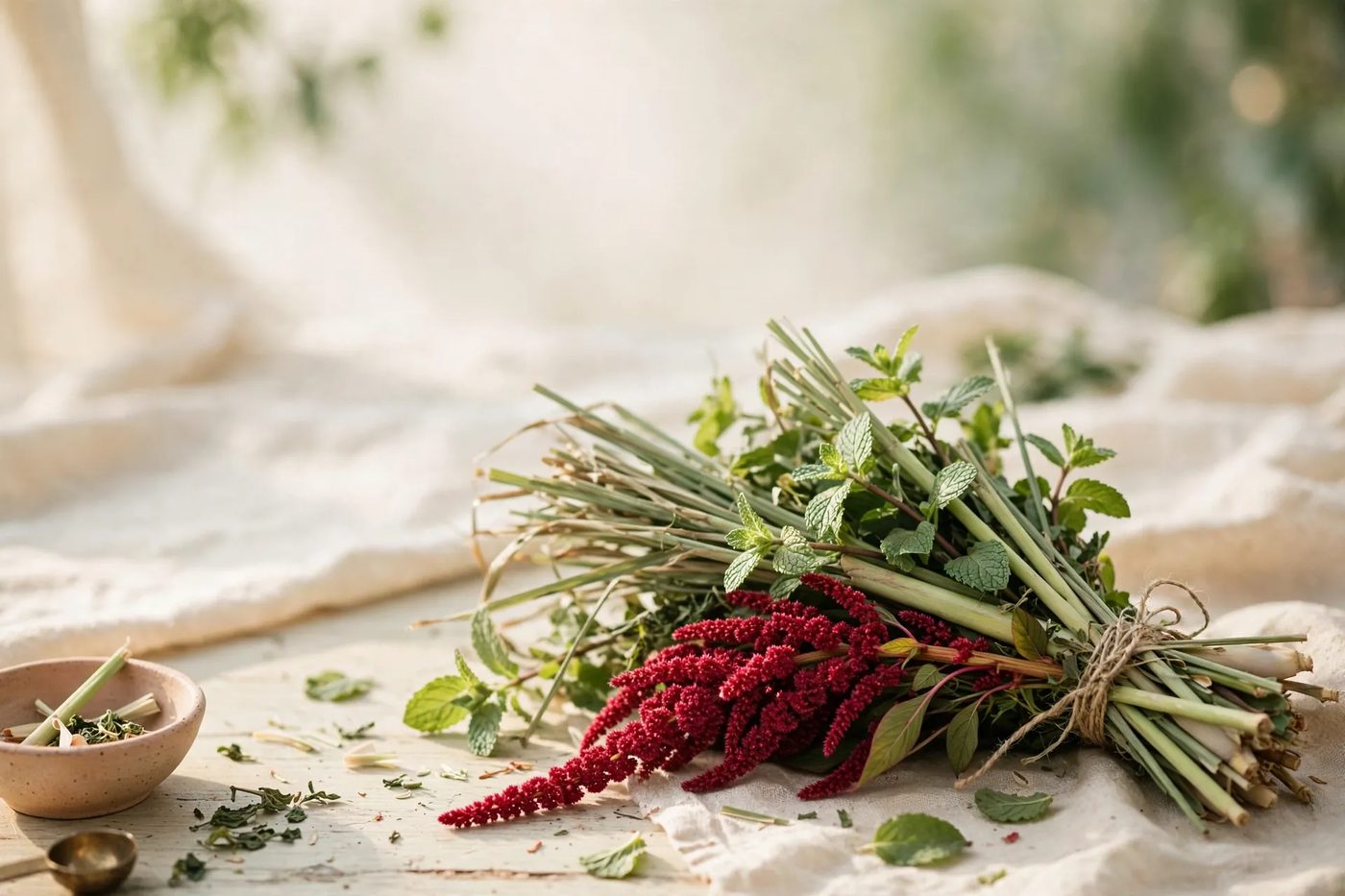
That sounds chaotic, but vendors agree on a lot. A statistical cluster analysis found a core group of about 16 species that are essential to the drink, and 20 species scored as culturally important. [1] Researchers describe the core as three jobs: color, aroma and flavor.
| Job in the cup | Plants vendors use (common Spanish or English name) | Latin name |
|---|---|---|
| Color (the pink) | Escancel, red amaranth (ataco), Iresine | Aerva sanguinolenta, Amaranthus hybridus, Iresine diffusa |
| Aroma | Lemon verbena (cedrón), lemongrass (hierba luisa), peppermint and spearmint, hollyhock (malva) | Aloysia citrodora, Cymbopogon citratus, Mentha species, Alcea rosea |
| Flavor and body | Lemon balm (toronjil), fennel (hinojo), chamomile (manzanilla), scented geranium (malva olorosa), plantain (llantén), horsetail (cola de caballo), carnation (clavel), fuchsia (pena pena), borage, a citrus, Triumfetta (cadillo) | Melissa officinalis, Foeniculum vulgare, Matricaria chamomilla, Pelargonium graveolens or P. odoratissimum, Plantago major, Equisetum bogotense, Dianthus caryophyllus, Fuchsia hybrida, Borago officinalis, Citrus x junos, Triumfetta semitriloba |
Source for the table: the 2017 vendor survey, which gave red amaranth the highest cultural-importance score of any species (a fidelity level of 96.3 out of 100). [1] Common Spanish names vary from market to market, so treat them as a guide, not gospel.
Why it turns pink
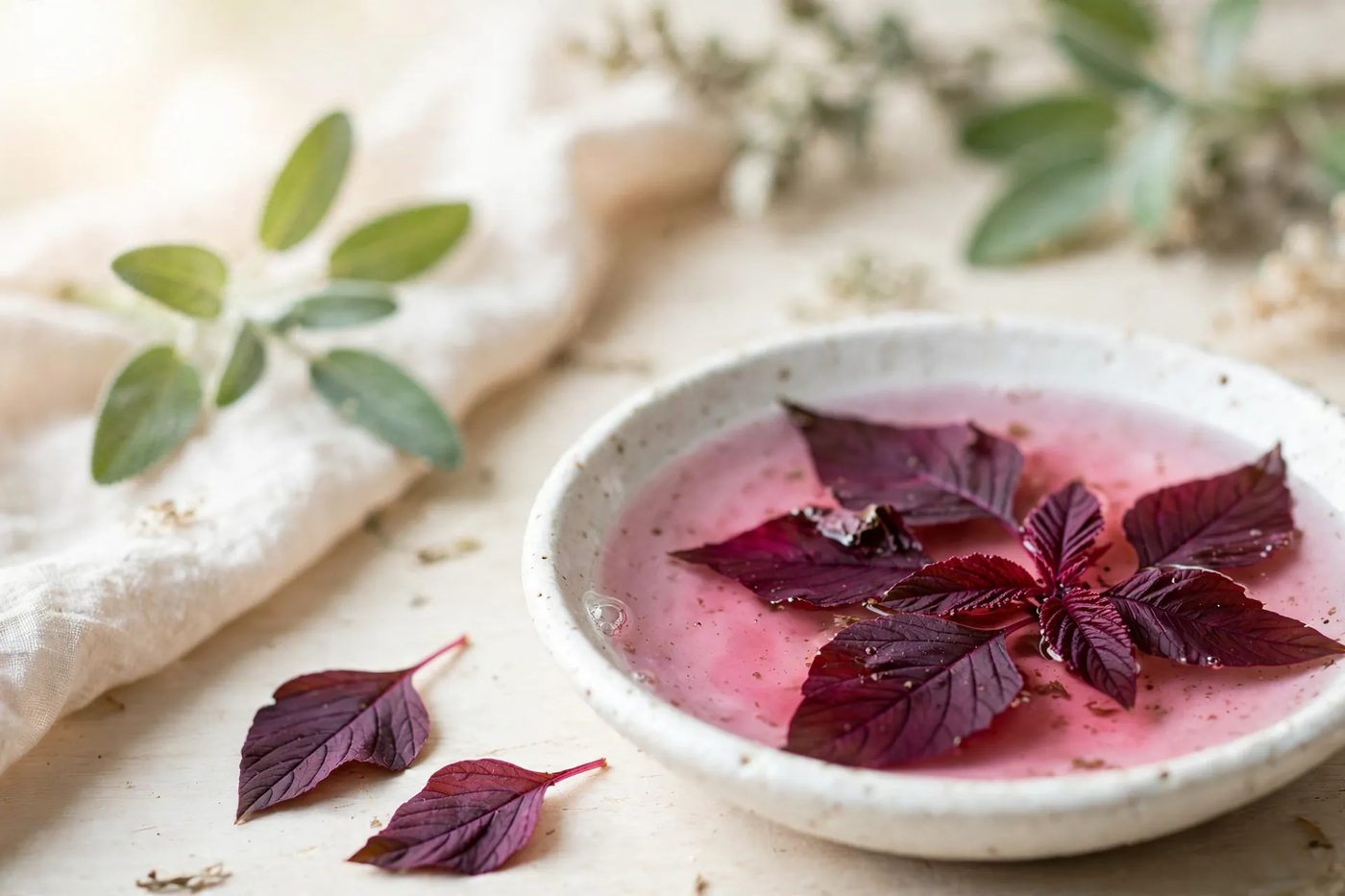
The color comes from red-leaved plants in the amaranth family: escancel, red amaranth and Iresine. Their pigments bleed into hot water and turn the whole pot fuchsia (hey, it's chemistry, not magic). [1] Fuchsia flowers add to it too: a 2024 analysis of pena pena flowers found them high in anthocyanins, the same family of pigments that colors berries. [8]
Why it smells like a garden
A 2020 study distilled the essential oils from five market bundles and identified 32 species across 23 families, with 14 aromatic species responsible for the scent. [3] The oils fell into four aroma profiles. Most were lemony (neral and geranial, the citral pair in lemongrass and lemon verbena), with others leaning minty (carvone, isomenthone), floral (citronellol) or anise-like (anethole from fennel). [3]
What the research measured (and what it did not)
In Loja, people drink horchata for its traditional uses. The vendor survey recorded 32 different therapeutic uses across the plants. [1] A follow-up lab paper counted 66% of horchata plants as traditional anti-inflammatories and 51% as traditional pain remedies. [9] That is folk knowledge, carefully documented. It is not the same as evidence that the drink does those things in your body.
Here is what the lab work actually shows, ranked by how close it gets to real people:
| Study | What they did | What they found | What it does not tell you |
|---|---|---|---|
| Ex vivo, 2020 [4] | Took blood from 20 smokers and 20 non-smokers, then incubated the cells with a 23-plant horchata extract in the lab | Markers of oxidative damage and DNA damage improved in the treated cells; gene expression did not change significantly | Nobody drank anything. Cells in a tube are not a person. |
| Cell study, 2019 [2] | Tested an infusion and a stronger alcohol-water extract on mouse immune cells stressed with a bacterial toxin | Both protected the cells and shifted inflammatory signals; the stronger extract worked better | Whether a cup reaches tissues at those levels |
| Cell study, 2017 [9] | Freeze-dried nine traditional horchatas and tested them on cancer and normal cell lines | Five of nine were toxic to one brain-tumor cell line while sparing normal cells, and showed antigenotoxic effects | Anything about cancer in humans. This is a dish result. |
| Antibacterial screen, 2023 [10] | Tested 21 horchata plants one by one against bacteria | Cinnamon and scented geranium extracts slowed Staphylococcus aureus at high concentrations | Whether the drink fights infections. It does not claim to. |
(Hint: when an article tells you horchata lojana fights cancer, this 2017 dish study is usually what it is stretching.) The authors themselves concluded that future studies on the components are needed. [9] The vendor-survey team said the same: the core plants need bioassays before anyone can talk about biomedical benefit. [1]
Our read, labeled as opinion: horchata lojana is a lovely, polyphenol-rich herbal drink with centuries of everyday use. Enjoy it for that. No tea, including this one, treats or cures a disease.
How to make horchata lojana at home (US shopping list)
You will not find escancel at your local grocery. Fine. You can still make a fragrant, pink, very drinkable tribute with herbs sold in US stores, garden centers and online tea shops.
The shopping list
| Herb | Where to find it in the US | Role | Amount for 1 liter |
|---|---|---|---|
| Lemon verbena, dried | Online tea shops, some co-ops | Lemony backbone | 1 tablespoon |
| Lemongrass, fresh or dried | Asian grocery, most supermarkets | Citrus aroma | 1 stalk, bruised, or 1 tablespoon dried |
| Spearmint or peppermint | Supermarket produce or dried | Cool top note | A small handful fresh or 2 teaspoons dried |
| Chamomile flowers | Any tea aisle | Soft apple-like body | 1 tablespoon |
| Lemon balm | Garden centers, tea shops | Gentle lemon-mint | 1 tablespoon dried or a handful fresh |
| Fennel seed | Spice aisle | Light anise sweetness | 1/2 teaspoon, lightly crushed |
| Scented geranium leaves (rose or lemon) | Garden centers in spring; grow your own | Floral perfume | 2 to 3 fresh leaves |
| Dried hibiscus | Latin grocery (flor de jamaica) | The pink, plus tartness | 1 teaspoon (a little goes far) |
| Hollyhock or fuchsia flowers, edible and unsprayed | Your own garden, specialty edible-flower sellers | Color and tradition | Optional, a few flowers |
| Lemon, sugar, honey or panela | Anywhere | Finish | To taste |
The method
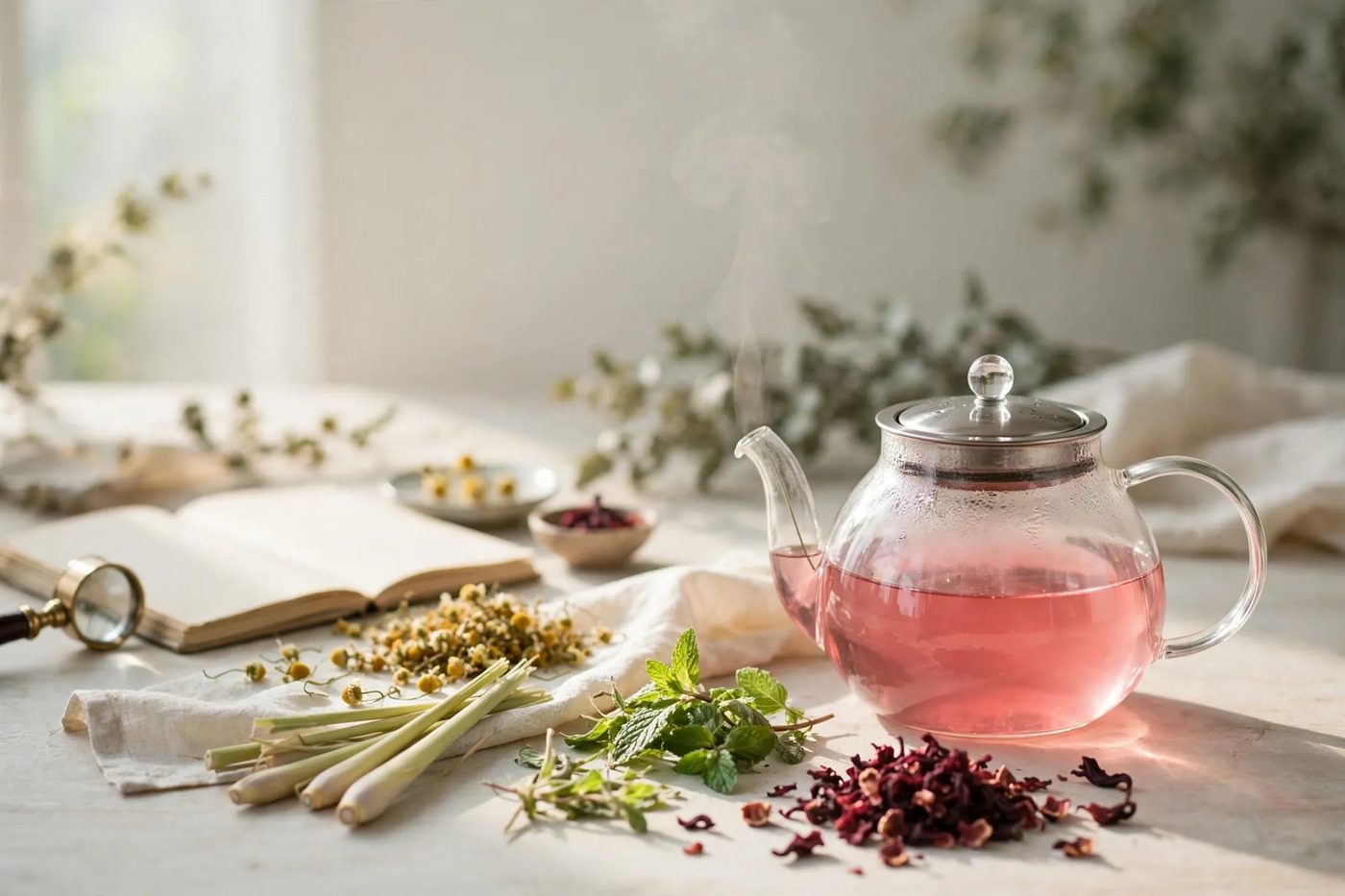
- Rinse the fresh herbs. Shake them dry. Bruise the lemongrass with the back of a knife.
- Boil 1 liter (about 4 cups) of water. Turn off the heat as soon as it boils.
- Add everything except the lemon and sweetener. Cover the pot so the aromatic oils stay in the water instead of perfuming your kitchen.
- Steep 10 to 15 minutes. Longer gets more bitter, especially from chamomile and hibiscus.
- Strain. Press the herbs gently with a spoon.
- Sweeten and finish. Stir in sugar, honey or panela to taste, then a squeeze of lemon. Watch the color brighten.
- Serve hot, or chill it. In Loja both are normal. Over ice with a lemon wheel is a great summer drink.
Prefer it less sweet? Dried stevia leaf in the pot sweetens without sugar. Our stevia leaf is whole dried leaf; start with 6 to 8 leaves per liter, taste, then add more (it gets cloying fast). If you like the fennel note and want a ready-made digestive blend in the same spirit, our Bowel Balance tea combines fennel, guava leaf, tipo (an Andean mint) and stevia. It is not horchata, but it lives on the same shelf of the Andean pantry.


Three variations worth trying
- The lunch-counter version: steep as above, sweeten generously and serve warm with lunch. This is the everyday Loja experience.
- The iced pitcher: double the herbs, steep 15 minutes, strain over a pitcher of ice so it chills fast and stays aromatic. Add lemon wheels and fresh mint.
- The floral one: lean on scented geranium, chamomile and edible flowers, go light on mint. Softer, almost perfume-like.
Who should skip it or ask first
A cup of herbs from your spice aisle is generally a low-risk drink for most healthy adults. A few plants that sometimes turn up in herbal mixtures deserve a warning, and Loja bundles vary by vendor.
- Borage: traditional in some bundles, but its leaves contain pyrrolizidine alkaloids, a food-safety risk serious enough that the EU set maximum levels for borage in 2022 (these compounds are known liver toxins at high exposure). [5] We leave it out of the home recipe.
- Pennyroyal: not on the core horchata list, but its oil, rich in pulegone, has caused severe liver toxicity and at least one death in case reports. [6] Do not add it, and avoid pulegone-heavy mints in pregnancy. One horchata aroma profile contained pulegone, so ask what is in a bundle you buy. [3]
- Horsetail: a traditional ingredient that acts as a diuretic in folk use. If you take diuretics, lithium or heart medication, skip it and ask your clinician.
- Pregnancy and breastfeeding: many of these plants have little safety data in pregnancy. Ask your clinician before drinking herbal infusions regularly.
- Allergies: chamomile is in the daisy family, and people allergic to ragweed sometimes react to it.
- Medication: hibiscus and some other herbs can interact with medicines. If you take prescription drugs, ask your pharmacist.
How to buy dried horchata in the US
- Read the ingredient list. A real horchata lojana mix names its plants. A bag that just says herbal blend is a guess.
- Look for a Loja origin. Many producers put the city name on the bag.
- Check for borage. If you would rather avoid it, read the label.
- Freshness matters. Faded, brown, dusty herbs make a dull cup. The flowers should still have color.
- Bringing a bag home from Ecuador? Declare it at customs, keep it in its original packaging, and know that loose citrus leaves (some bundles include sour-orange leaf) are not allowed. Our guide to importing herbs from Ecuador covers the rules.
Frequently asked questions
What is horchata lojana?
Horchata lojana is a pink herbal infusion from Loja province in southern Ecuador, made by steeping a bundle of fresh flowers, leaves and aromatic herbs and drinking it hot or cold with meals, usually with sugar or honey and lemon. [1]
Is Ecuadorian horchata the same as Mexican horchata?
No. Mexican horchata is a sweet rice drink and Spanish horchata uses tiger nuts. Ecuadorian horchata lojana is an herbal tea that shares only the name. [1]
Why is horchata lojana pink?
What herbs are in horchata lojana?
A vendor survey recorded 71 species, with a core of about 16. Common ones include red amaranth, lemon verbena, lemongrass, mints, lemon balm, fennel, chamomile, scented geranium, hollyhock, plantain, horsetail and fuchsia. [1]
What are the benefits of horchata lojana?
Can I make horchata lojana with US ingredients?
Yes. Lemon verbena, lemongrass, spearmint, chamomile, lemon balm, fennel seed, scented geranium and a little dried hibiscus for color make a close home version. Steep in just-boiled water, covered, for 10 to 15 minutes, then add sugar or honey and lemon.
Is horchata lojana safe?
References
- Rios M, Tinitana F, Jarrín-V P, Donoso N, Romero-Benavides JC, et al. (2017). "Horchata" drink in Southern Ecuador: medicinal plants and people's wellbeing. J Ethnobiol Ethnomed. PubMed 28279218 · DOI
- Guevara M, Tejera E, Iturralde GA, Jaramillo-Vivanco T, Granda-Albuja MG, Granja-Albuja S, et al. (2019). Anti-inflammatory effect of the medicinal herbal mixture infusion, Horchata, from southern Ecuador against LPS-induced cytotoxic damage in RAW 264.7 macrophages. Food Chem Toxicol. PubMed 31226431 · DOI
- Armijos C, Matailo A, Bec N, Salinas M, Aguilar G, Solano N, et al. (2020). Chemical composition and selective BuChE inhibitory activity of the essential oils from aromatic plants used to prepare the traditional Ecuadorian beverage horchata lojana. J Ethnopharmacol. PubMed 32736051 · DOI
- Guevara M, Proaño A, Tejera E, Ballesteros I, Sánchez ME, Granda-Albuja MG, et al. (2020). Protective effect of the medicinal herb infusion "horchata" against oxidative damage in cigarette smokers: An ex vivo study. Food Chem Toxicol. PubMed 32615239 · DOI
- Sattler M, Müller V, Bunzel D, Kulling SE, Soukup ST, et al. (2023). Pyrrolizidine alkaloids in borage (Borago officinalis): Comprehensive profiling and development of a validated LC-MS/MS method for quantification. Talanta. PubMed 36924638 · DOI
- Anderson IB, Mullen WH, Meeker JE, Khojasteh-BakhtSC, Oishi S, Nelson SD, et al. (1996). Pennyroyal toxicity: measurement of toxic metabolite levels in two cases and review of the literature. Ann Intern Med. PubMed 8633832 · DOI
- Guamán-Balcázar MDC, Rodríguez K, Quinche P, Valarezo E, Armijos C, Setyaningsih W, et al. (2025). Optimization of the Spray-Drying of the Traditional Ecuadorian Horchata for Developing an Instant Powdered Functional Beverage. J Food Sci. PubMed 40641178 · DOI
- Castillo-Carrión M, Martínez-Espinosa R, Pérez-Álvarez JÁ, Fernández-López J, Viuda-Martos M, Lucas-González R, et al. (2024). Nutritional, Fatty Acids, (Poly)phenols and Technological Properties of Flower Powders from Fuchsia hybrida and Alcea rosea. Foods. PubMed 38254537 · DOI
- Bailon-Moscoso N, Tinitana F, Martínez-Espinosa R, Jaramillo-Velez A, Palacio-Arpi A, Aguilar-Hernandez J, et al. (2017). Cytotoxic, antioxidative, genotoxic and antigenotoxic effects of Horchata, beverage of South Ecuador. BMC Complement Altern Med. PubMed 29258490 · DOI
- Fernandez-Soto P, Celi D, Tejera E, Alvarez-Suarez JM, Machado A, et al. (2023). Cinnamomum sp. and Pelargonium odoratissimum as the Main Contributors to the Antibacterial Activity of the Medicinal Drink Horchata: A Study Based on the Antibacterial and Chemical Analysis of 21 Plants. Molecules. PubMed 36677749 · DOI