FDA’s “Aspartame and Other Sweeteners in Food” describes certain purified steviol glycosides as high-intensity sweeteners. Whole Stevia leaves and crude extracts are not permitted as sweeteners in conventional foods in the U.S. This distinction applies to this whole-leaf product.
Read the study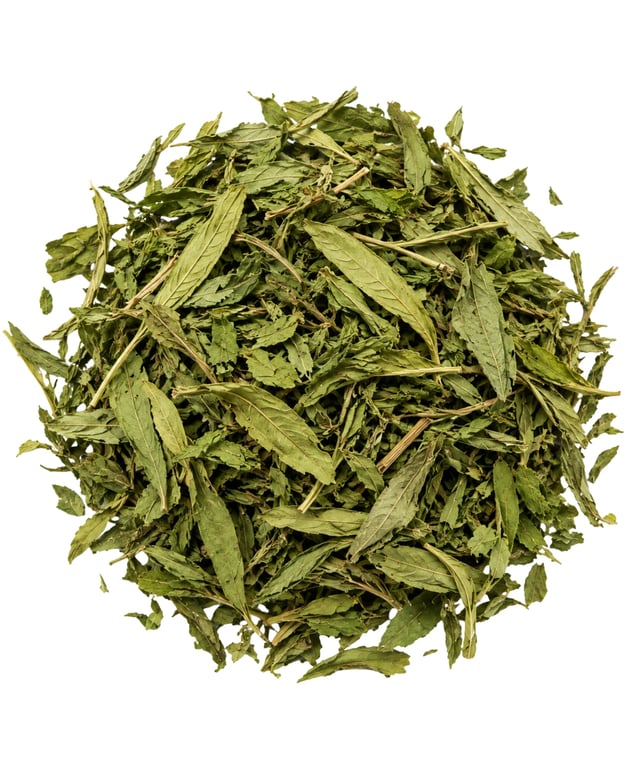
Stevia Leaf
Nature’s Sweet Leaf
Diabetes-FriendlyBlood Pressure SupportWeight ManagementGut Friendly
Meet nature’s sweet leaf. Native to South America, Stevia has been treasured for generations for its remarkable natural sweetness. Its leaves contain naturally occurring compounds called steviol glycosides, which deliver an intensely sweet taste. Our sustainably sourced Stevia leaves are minimally processed to preserve their natural botanical character. Whole leaves differ from purified Stevia sweeteners in composition, evidence and regulatory status.
$22.002 oz pouch
- Stevia Leaf (Stevia rebaudiana)
- May satisfy sweet cravings with zero calories and no sugar crash
- May support healthy blood sugar by sweetening without a glucose spike
- May support healthy blood pressure levels
- May protect teeth by not feeding cavity-causing bacteria
- May help you cut back on refined sugar without feeling deprived
- May support weight goals as a calorie-free alternative to sugar
- May offer antioxidant support from whole leaf plant compounds
- May make bitter herbal blends more enjoyable to drink daily
- Used for centuries by the Guaraní peoples as a natural sweet herb
- 100% pure whole leaf, no fillers or shortcuts
Add 4–8 dried Stevia leaves per cup directly to your favorite tea leaves or herbal blend, adjusting according to your desired sweetness. Pour hot water over the herbs, cover, and steep together for 5–10 minutes, or according to your tea’s recommended steeping time. Strain and enjoy naturally sweetened tea.
- SteviosideNatural Sweetness
- Rebaudioside ASweet-Tasting Compound
- Chlorogenic AcidAntioxidant Activity
- FlavonoidsPlant Antioxidants
- Steviol GlycosidesNatural Sweetening Compounds
Small-batch careDirect tradeNo fillers, no capsules
WHY STEVIA
Naturally sweet.
- Used for:
- Sugar cravings
- Blood sugar balance
- Healthy blood pressure
- Dental health
- Weight goals
- How it helps:
- Sweetens without spiking blood sugar or insulin
- Satisfies cravings with zero calories
- Starves the bacteria that cause cavities
- Supports healthy blood pressure levels
- Softens bitter herbs so your blends go down easy
- Ingredients:
- Stevia Leaf (Stevia rebaudiana)
- The science says:
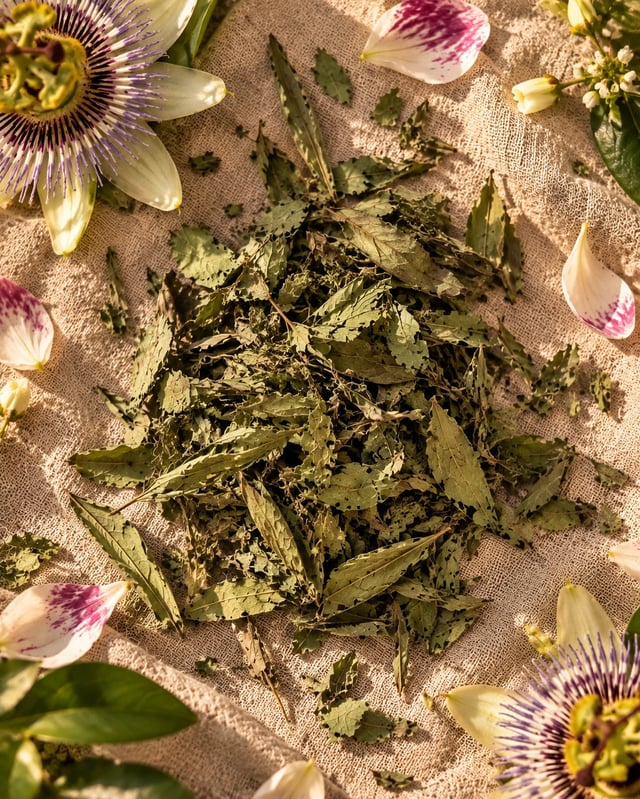
- Stevia leaves contain steviol glycosides, including stevioside and rebaudioside A, responsible for their intense sweetness. Research on purified steviol glycosides establishes their usefulness as low-calorie sweeteners; this does not establish an equivalent use or clinical benefit for whole leaves. Leaf phenolics demonstrate antioxidant activity in laboratory studies, while clinical benefits from whole-leaf infusions remain insufficiently established.
Inside every cup
Why Our Stevia Leaves Work.
Learn about the natural compounds in our Stevia Leaf.
-
One of the principal compounds responsible for Stevia’s intensely sweet taste.
-
A naturally occurring steviol glycoside known for its sweet taste.
-
A naturally occurring polyphenol that has demonstrated antioxidant activity in laboratory research.
-
Naturally occurring plant compounds that contribute to Stevia’s phytochemical profile.
-
The family of compounds responsible for Stevia’s characteristic sweetness.
How to use
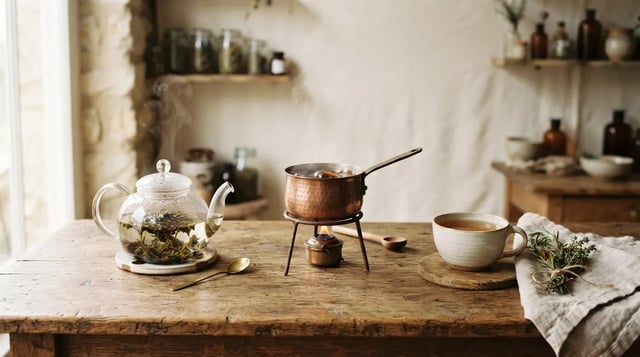
How to prepare Stevia Leaf.
-
(01)
The Daily Cup
Add 4–8 dried Stevia leaves per cup directly to your favorite tea leaves or herbal blend, adjusting according to your desired sweetness. Pour hot water over the herbs, cover, and steep together for 5–10 minutes, or according to your tea’s recommended steeping time. Strain and enjoy naturally sweetened tea.
Frequency and Timing
When to Add Stevia to Your Tea
Naturally sweeten your favorite morning herbal infusion.
Add a touch of sweetness to your afternoon tea without using refined sugar.
Pair Stevia with naturally caffeine-free herbs for a soothing evening tea.
Supported scientific evidence
Whole leaves. Purified compounds. Different evidence.
“Effects of aspartame-, monk fruit-, stevia- and sucrose-sweetened beverages on postprandial glucose, insulin and energy intake” (Tey et al., 2017) tested sweetened beverages in 30 healthy men. Total daily energy intake and overall glucose and insulin exposure did not differ between treatments. This trial does not establish that whole-leaf Stevia infusions lower blood glucose.
Read the study“New insights into phenol and polyphenol composition of Stevia rebaudiana leaves” (Pacifico et al., 2019) analyzed fractions of an ethanol leaf extract. The fractions contained chlorogenic acids and flavonoid glycosides and showed activity in laboratory antioxidant screening. These extract findings do not establish clinical health benefits from drinking whole-leaf infusions.
Read the study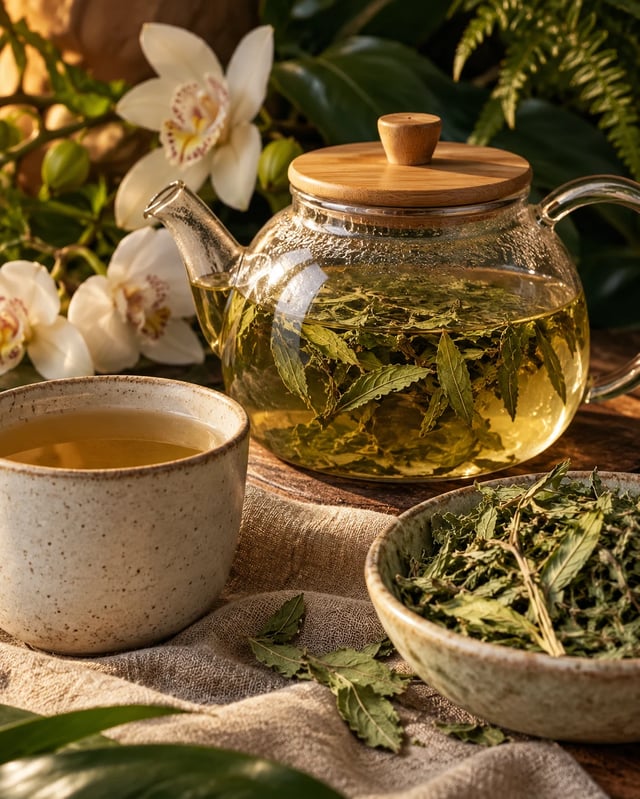
Verified reviews are available on the live website.
Questions, answered
Stevia Leaf FAQ.
Stevia’s characteristic sweetness comes primarily from steviol glycosides rather than conventional sugar. No refined sugar is added to these leaves. This is not a tested sugar-free nutrition claim.
Add 4–8 dried Stevia leaves per cup directly to your favorite tea leaves or herbal blend, adjusting according to your desired sweetness. Pour hot water over the herbs, cover, and steep together for 5–10 minutes, or according to your tea’s recommended steeping time. Strain and enjoy naturally sweetened tea.
U.S. regulatory note: Whole-leaf Stevia and crude extracts are not permitted as sweeteners in conventional foods. FDA’s conclusions on certain highly purified steviol glycosides do not apply to these dried leaves. Traditional preparation information is not evidence of approval for food-sweetening use. Follow the product label and consult a qualified professional about appropriate use.
No. Stevia leaves are naturally caffeine-free. Any accompanying tea or herbs may contain caffeine.
Replacing added sugar with an authorized sweetener can reduce added sugar intake. Whole-leaf Stevia is different: FDA does not permit it as a sweetener in conventional foods. Research on purified Stevia sweeteners should not be treated as evidence for this whole-leaf product.
Whole-leaf Stevia consists of dried leaves that retain their natural plant structure and other botanical constituents.
Processed Stevia sweeteners typically contain extracted and purified steviol glycosides, such as stevioside or rebaudioside A. Both derive their sweetness from the same family of compounds, but differ in processing, composition and regulatory status. FDA’s conclusions on certain purified glycosides do not extend to whole leaves.
ADD STEVIA TO YOUR OTHER TEAS
A little sweetness makes every ritual better.
Explore your favorite botanical teas. Stevia’s traditional use alongside herbal preparations is distinct from the authorized food-sweetener uses of purified steviol glycosides.


These statements have not been evaluated by the Food and Drug Administration. This product is not intended to diagnose, treat, cure, or prevent any disease. If you are pregnant, nursing, taking medication, or managing a condition, consult a qualified clinician before use. Read the full disclaimer.