Short answer
Wildcrafted means an herb was gathered from wild plants growing in their natural habitat, not cultivated on a farm. It is not the same as organic, which is a certification of how a crop was grown and handled. To judge dried herb quality, check for a botanical name, whole recognizable material, a named origin, a harvest or best-by date, honest claims and sensible storage.
Key takeaways
- Wildcrafted describes where and how an herb was gathered. Organic is a certification for how it was produced. A plant can be one, both or neither.
- Good dried herb is whole or cut (not dust), smells like the plant, keeps some natural color and comes with a botanical name, origin and date.
- Store dried herbs airtight, cool, dark and dry, and use them within about a year for best flavor.
- Ethical wildcrafting means selective harvest and fair pay. If a plant is wild, harvest practice matters as much as the label.
Wildcrafted is one of the most used and least explained words in herbalism. This page explains it plainly, then gives you a checklist you can use on any herbal product, ours or anyone else's.
We sell wild-harvested herbs, so we have a stake in this. The checklist is built to be used against us too.
What does wildcrafted mean?
Wildcrafted (also called wild-harvested) means the plant was gathered where it grows naturally, such as a forest, a mountain slope or a riverbank, rather than planted, tended and harvested on a farm. In the Ecuadorian Amazon and Andes, communities have gathered plants like guayusa, cat's claw and matico this way for generations.
Wildcrafted vs organic herbs
| Wildcrafted | Organic | |
|---|---|---|
| What it describes | Where and how the plant was gathered (wild habitat) | How the crop was grown, handled and processed under a certification standard |
| Who checks it | Usually the seller; look for named origin and harvester | A certifying body, with a certificate |
| Can it be both? | Yes, wild plants can be certified organic if standards are met | Yes |
| Main question to ask | Is harvest sustainable, and is the species identified correctly? | Is the certificate current and for this product? |
Neither word guarantees quality, and neither guarantees safety. A farmed organic herb can be excellent; a wild herb can be misidentified or over-harvested. Ask both questions.
How to choose quality herbs: a checklist
- Botanical (Latin) name on the label. 'Cat's claw' could be several plants; Uncaria tomentosa is specific.
- Plant part named. Leaf, bark, root and flower are different materials with different uses.
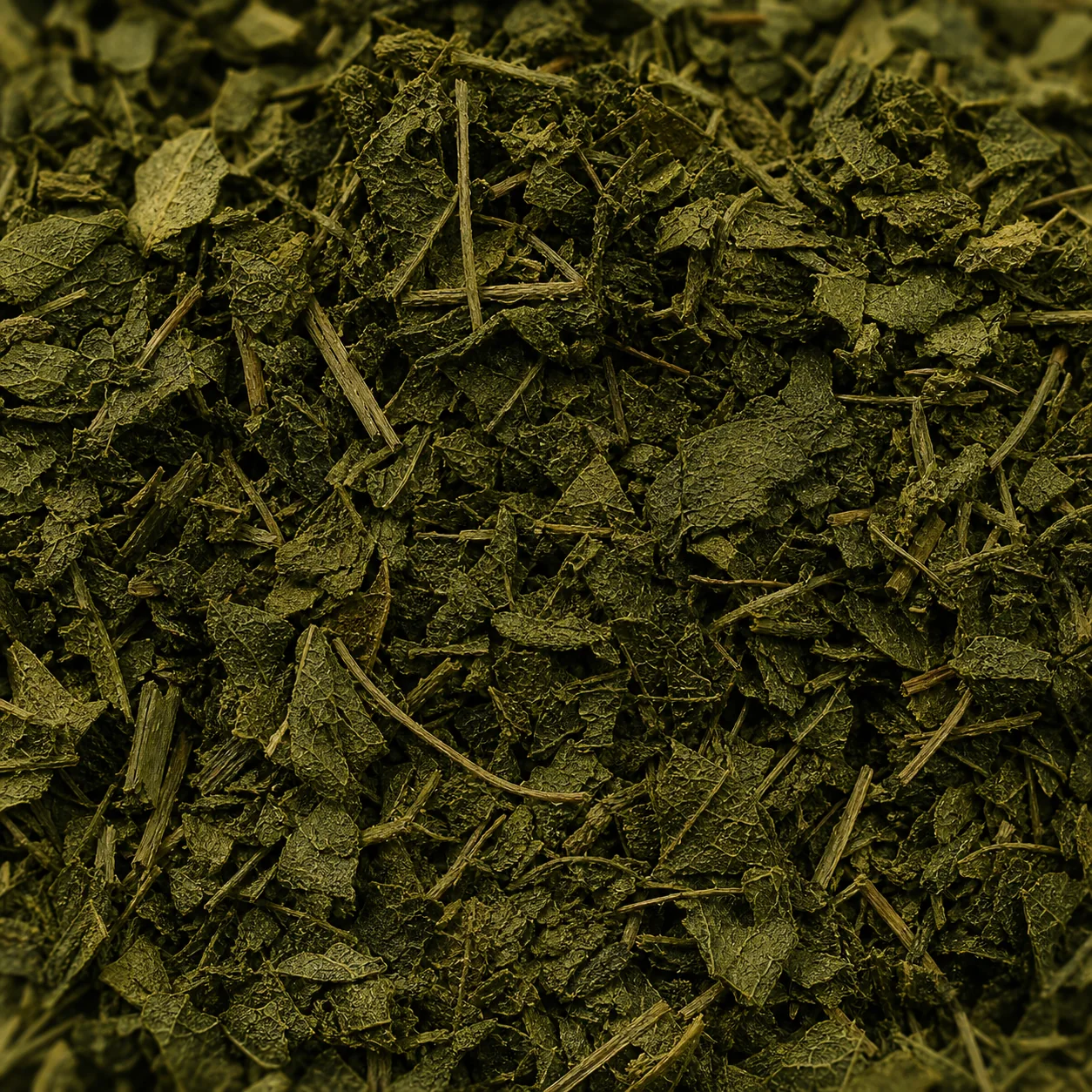
- Whole or cut material. You should be able to see leaf pieces, bark curls or root slices. Fine dust hides what is inside.
- Origin and harvester. A country and region at minimum; a named community or practice is better.
- A harvest or best-by date. Herbs lose volatile compounds over time.
- Natural color and smell. Green leaves should look green, not grey or brown. Aromatic herbs should smell like themselves. Musty or chemical smells are a warning.
- Honest claims. If a seller promises that a tea treats or cures a disease, leave.
How to identify authentic dried herbs
You cannot identify most herbs with certainty from a photo, and even experts rely on laboratory tests for confirmation. What you can do as a buyer is look for signals that a seller has done the work: botanical names, whole material you can compare with reference images, origin information, a way to contact them and consistent answers when you ask where the herb was grown. Avoid sellers who use only vague names such as 'Amazon blend' or 'detox herbs' with no species listed.
How to buy medicinal herbs online
- Buy from sellers that publish botanical names, origin and sourcing practices on each product page.
- Read reviews on a site you trust, not just on the seller's page.
- Check shipping and processing times, since dried herbs travel well but should not sit in a hot warehouse.
- Start with a small size to judge freshness and aroma.
- Check for safety information, not only benefits. A page that lists only benefits is selling, not informing.
Everything we sell lists its botanical name and sourcing on the product page. See our Amazonian herbs and Ecuadorian herbs pages, or our full catalog.
How to store dried herbs
- Airtight: a glass jar or a resealable bag pressed free of air.
- Dark: light fades color and flavor. Keep jars in a cupboard.
- Cool and dry: away from the stove, sunlight and the sink. Moisture invites mold.
- Labeled with the date. Most dried leaves are best within about a year, and barks and roots often last longer.
- Throw out anything musty, damp or showing mold.
Ethical wildcrafting: why harvest practice matters
Wild plants are a shared resource. Over-harvest can wipe out wild stands, especially of slow-growing trees and vines. Good practice means taking selectively, leaving enough to regrow and paying harvesters fairly. Our herbs are sustainably wild-harvested and sourced directly from the families and Indigenous communities in Ecuador who steward them, without middlemen. Our wildcrafted vs commercial herbs article goes deeper.
Frequently asked questions
What does wildcrafted mean?
Wildcrafted means the herb was gathered from wild plants growing in their natural habitat, not cultivated on a farm.
What is the difference between wildcrafted and organic herbs?
Wildcrafted describes where and how a plant was gathered; organic is a certification for how a crop was produced and handled. A plant can be wildcrafted, organic, both or neither.
How do I know if dried herbs are good quality?
Look for a botanical name, whole or cut material, natural color and aroma, a named origin, a date and honest claims. Avoid dust, musty smells and vague blends.
How do I identify authentic dried herbs?
Check for the Latin name, the plant part, the origin and whole material you can compare with references. Ask the seller where and by whom the herb was harvested.
How do you store dried herbs?
Airtight, dark, cool and dry, with a date on the jar. Most leaves keep best for about a year.
Where can I buy wildcrafted herbs online?
Kawsaypac sells wild-harvested herbs from Indigenous communities in Ecuador, shipped across the USA: see the shop.